



You can invest in hair masks, serums and shampoos, but have you considered what your hair gets from your diet? While external care matters, nutrition plays an important role in maintaining healthy hair. Vitamins and healthy hair growth are closely linked because your body needs essential nutrients to maintain hair follicles and support the natural hair growth cycle.
Understanding the role of vitamins in hair health can help you make more informed choices about your diet and haircare routine. After all, caring for your hair involves more than what you apply to it. It also means giving your body the nourishment it needs from within.
Why Does Your Hair Need Vitamins?
Hair grows in cycles, with phases of growth, rest and shedding. Your body needs a balanced supply of vitamins, minerals, protein and other essential nutrients to support this process.
A lack of certain nutrients may contribute to hair thinning or increased shedding. However, hair concerns can also be linked to genetics, hormonal changes, stress and underlying health conditions.
The nutrients needed for healthy hair support different functions in the body, including those involved in maintaining hair. Getting enough of these nutrients through a balanced diet is an important part of caring for your hair from within.
Which Vitamins Support Hair Growth?
Different vitamins and minerals contribute to hair health in different ways. Here are some worth knowing about.
- Biotin (Vitamin B7): Biotin contributes to the maintenance of hair. Although it is often associated with hair supplements, additional biotin may not make a difference if your diet already provides enough.
- Vitamin C: It supports collagen formation, which is important for the skin. It also helps the body absorb iron from food.
- Vitamin A: It supports cell specialisation, an important process for the body's growth and maintenance. Both inadequate and excessive vitamin A intake can be problematic, so avoid high-dose supplements without professional advice.
- Vitamin D: It contributes to immune system function and plays a role in cell division.
- Zinc: Zinc contributes to the maintenance of hair and supports protein synthesis and cell division.
- Selenium: Selenium contributes to the maintenance of hair and helps protect cells from oxidative stress.
These are some of the vitamins that support normal hair growth and the wider processes involved in maintaining hair health. The goal is to get the right amount of each nutrient rather than assume that taking more will deliver better results.
Dietary Sources of Hair-Supporting Nutrients
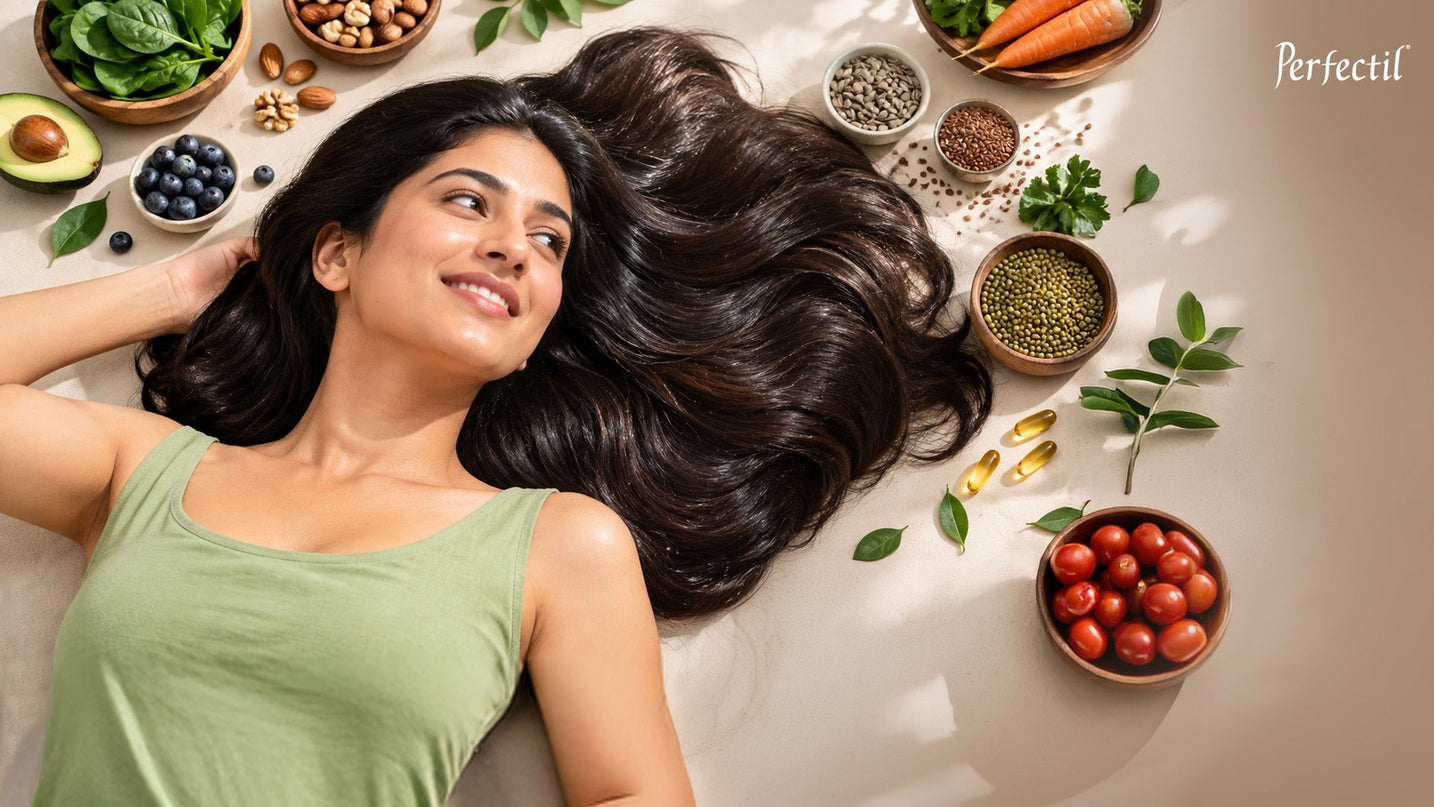
A varied, balanced diet is a good starting point for getting the nutrients for normal hair growth. You do not need an elaborate meal plan to improve your nutritional intake.
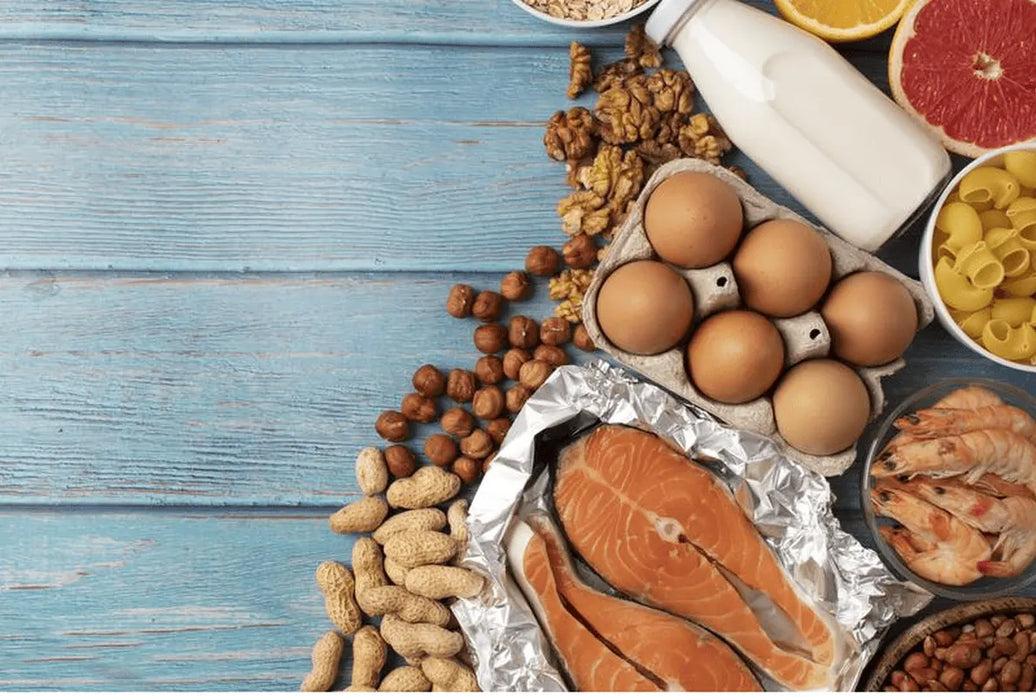
Some useful dietary sources of hair-supporting nutrients include:
- Eggs: Provide protein and biotin.
- Nuts and seeds: Supply zinc, selenium and other nutrients, depending on the variety.
- Citrus fruits, guava and amla: Provide vitamin C.
- Green leafy vegetables: Offer folate and other essential micronutrients.
- Pulses and beans: Provide protein, iron and other nutrients.
- Dairy products and fortified foods: Can contribute vitamin B12 and other nutrients, depending on the food.
Try to include a variety of these foods alongside whole grains, adequate protein and other nutrient-rich choices. Good nutrition and healthy hair go hand in hand, although dietary changes take time and results depend on the cause of your hair concerns.
Looking Beyond Your Daily Diet
A balanced diet is a good starting point for hair health, but meeting all your nutritional needs isn't always easy. When your diet falls short, supplements may help fill certain nutritional gaps.
For those looking for vitamins for hair health, options such as Perfectil by Vitabiotics provide a blend of vitamins and minerals, including biotin, zinc and selenium, which contribute to the maintenance of hair. Its formulation also supports skin and nail health.
Choose supplements based on your nutritional needs and follow the label instructions. If you are taking medication or experience persistent or sudden hair loss, consult a healthcare professional.
FAQs:
1. Can vitamin deficiencies affect hair growth?
Yes. A deficiency in certain nutrients, including iron, zinc and biotin, may contribute to hair loss or changes in hair health. However, hair loss can have several causes, so it is important to identify the underlying reason rather than start supplements without guidance.
2. Which foods help support healthy hair?
Eggs, nuts, seeds, pulses, green leafy vegetables and fruits provide nutrients that support hair health. Including a variety of these foods in a balanced diet, along with additional nutritional support when needed, can help your body get the vitamins, minerals and protein it needs.
3. Do hair vitamins work if you don't have a deficiency?
Taking additional vitamins may not improve hair growth if you already get enough of those nutrients. Supplements can help address nutritional gaps, but they are not a guaranteed solution for hair thinning or hair loss. If you have ongoing concerns, consult a healthcare professional.