





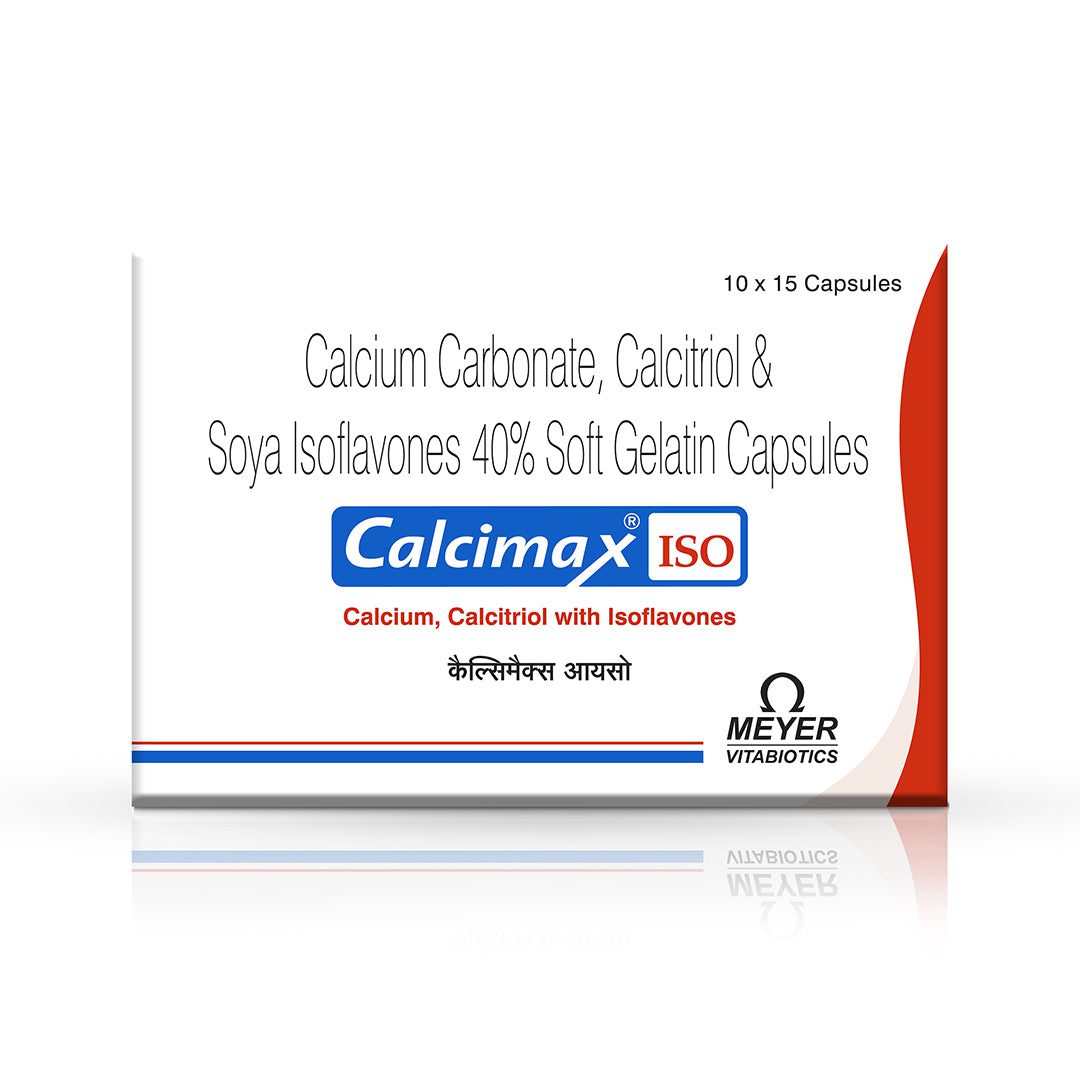
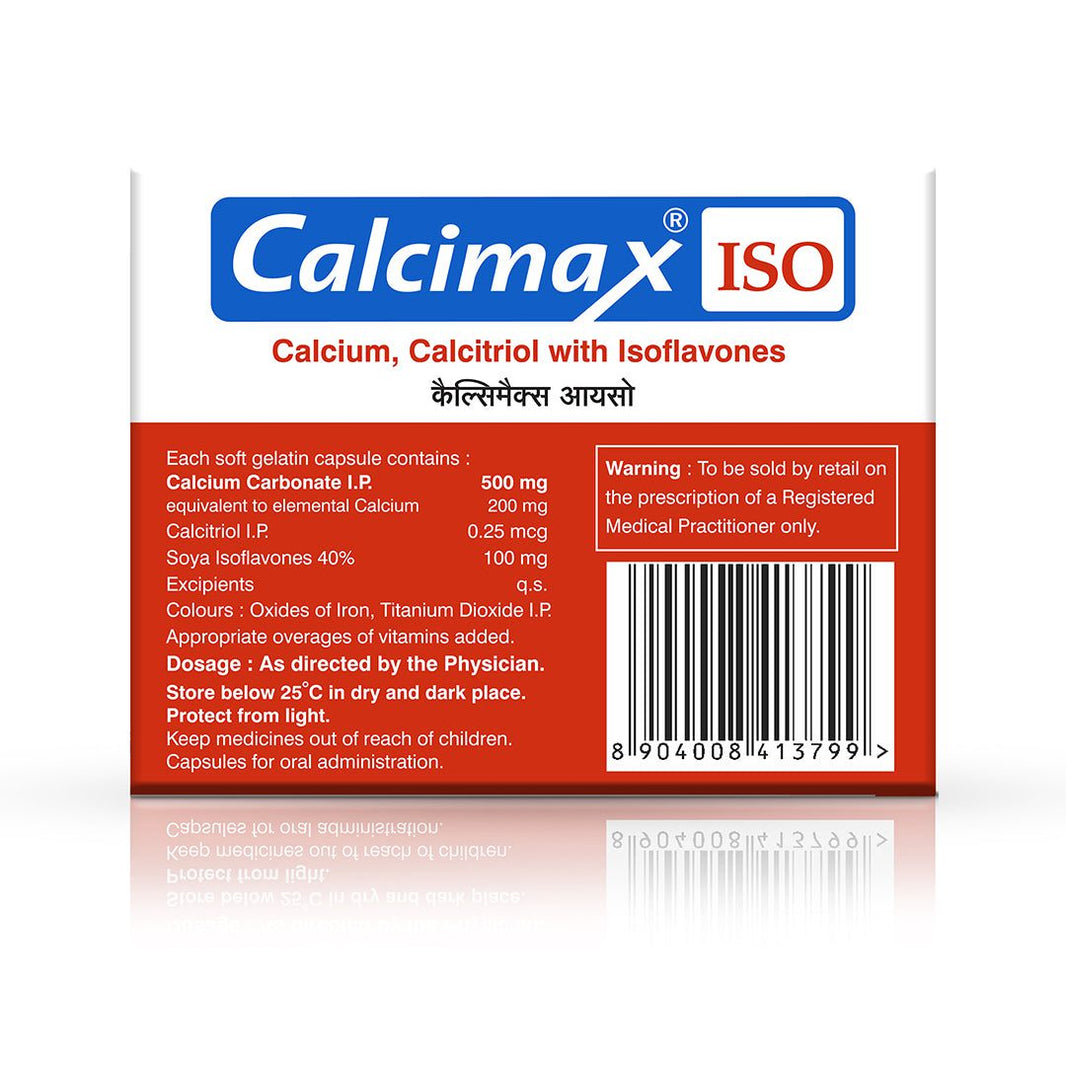

Pregnancy is a beautiful journey to take, but it is also hard on the body. It requires the right nutrients to keep your body and baby healthy. Nutrients like calcium play a vital role during pregnancy.
Calcium is essential for the development of your baby and provide you with the strength to handle the burden that falls on your body when bringing life to the world, strengthening your bones and preventing any complications, like high blood pressure or osteoporosis later.
While having calcium rich diet help, many women do require additional support through calcium supplements during pregnancy. So, let’s explore when you should take calcium tablets during pregnancy to get the most out of them and give you guidance on this topic.
Why Calcium is Crucial
Calcium doesn’t support only bones; it supports a ton of vital processes during pregnancy
- Supporting the development of a baby’s bones, teeth and heart
- Strengthening both nerve and muscle function for mother and baby
- It clots blood so you don’t have to deal with excessive bleeding
- It helps prevent any complications like pre-eclampsia (happens when there is a dangerous rise in blood pressure during pregnancy)
Not having enough calcium will force your body to use the calcium in your bones to support your pregnancy, which will weaken your bones as time goes on.
When to take Calcium Tablets?
You will want to take the calcium tablets at the appropriate time to get the most benefit -
- The best time to take the tablets would be post meals, eating food causes your body to start absorbing nutrients, basically going into absorption mode, and absorbing more calcium from the tablets. It also reduces the discomfort you may otherwise feel in your stomach
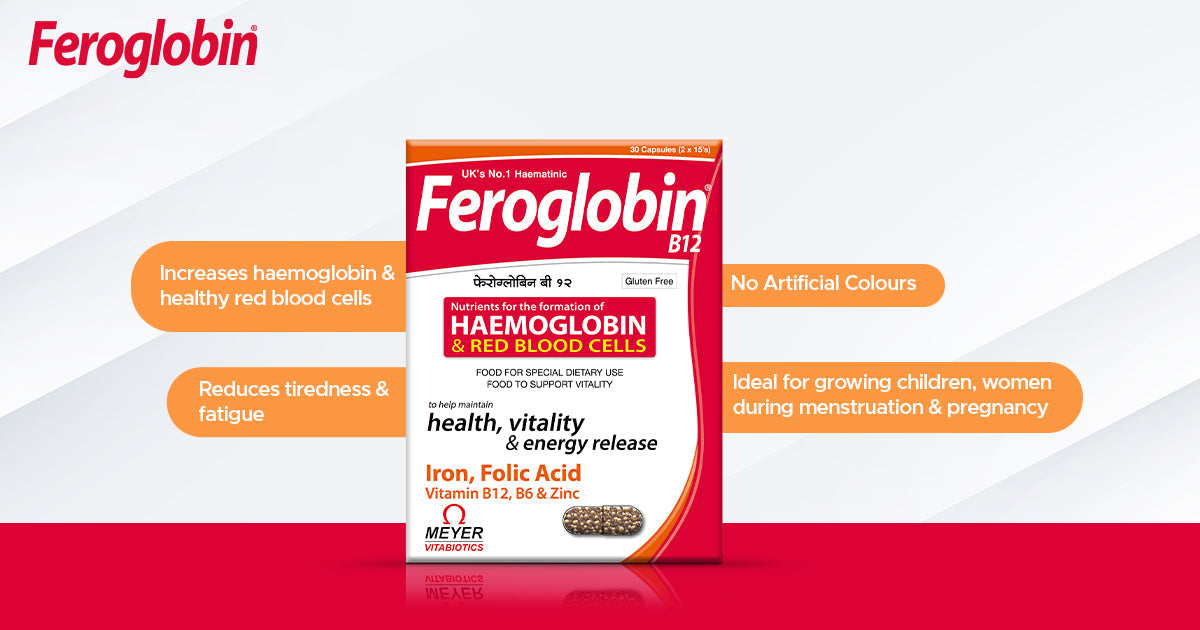
- Don’t take calcium and iron supplements together, since calcium will interfere with the iron absorption. Iron tablets are often prescribed during pregnancy, so make sure to space them apart, 2-3 hours apart should be enough. For example, you could take iron tablets after breakfast and calcium tablets after lunch
- Taking the calcium supplements throughout pregnancy is recommended to build up reserves, even though the nutrients are especially necessary during the second and third trimesters when the baby develops teeth and bones rapidly.
How much Calcium is Needed?
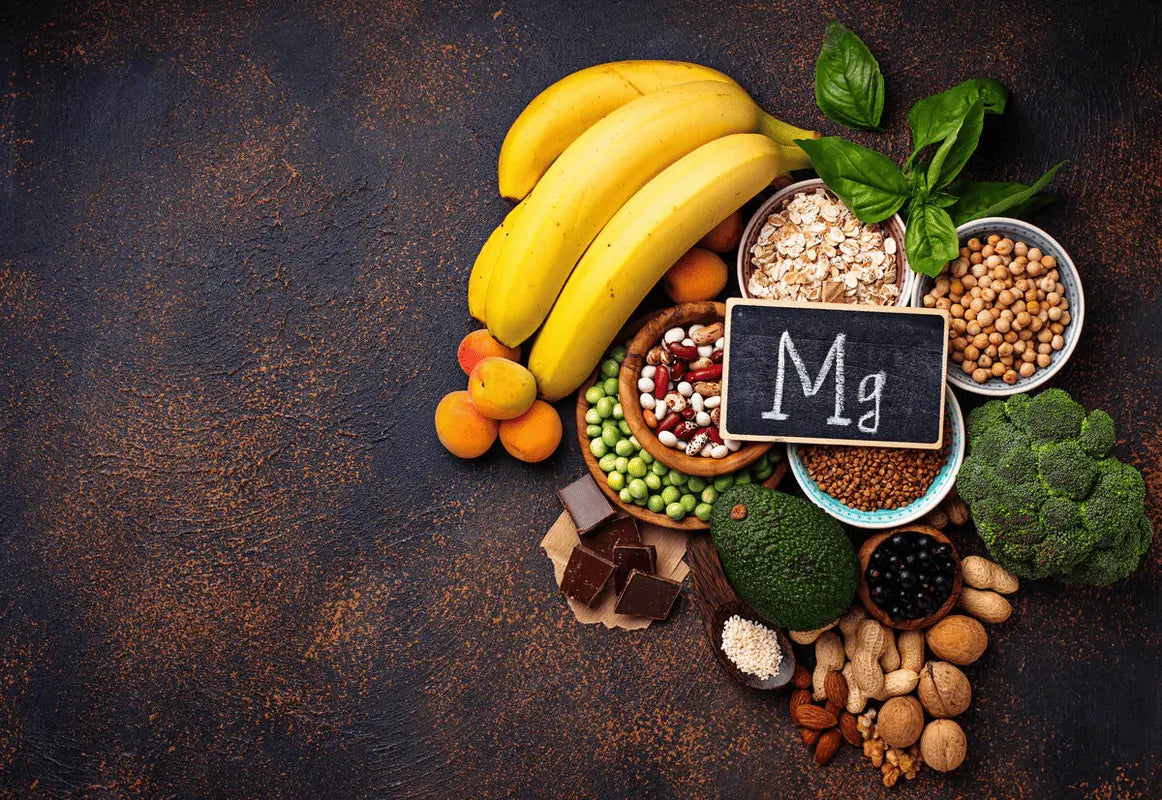
The general recommendation during pregnancy for adults is 1,000 mg of calcium per day, and for teenagers its higher, at about 1,200 – 1,300 mg per day. Usually, you can get this much through both diet and supplements together, for example - A cup of milk gives you about 250 mg of calcium, a cup of yogurt gives you 300 mg, and a serving of cheese gives you about 200 mg.
While having these calcium rich foods, you can also use calcium supplements to make up the difference. Of course, your doctor would recommend them to you if your diet doesn’t provide enough.
Best Calcium Supplements for Pregnancy
When choosing calcium supplements, you will want those that have -
- Calcium that is easily absorbable, in the form of calcium carbonate or calcium citrate
- Vitamin D helps absorb calcium smoother and faster, so picking supplements that include that is a good idea
- A trusted brand with clinical expertise
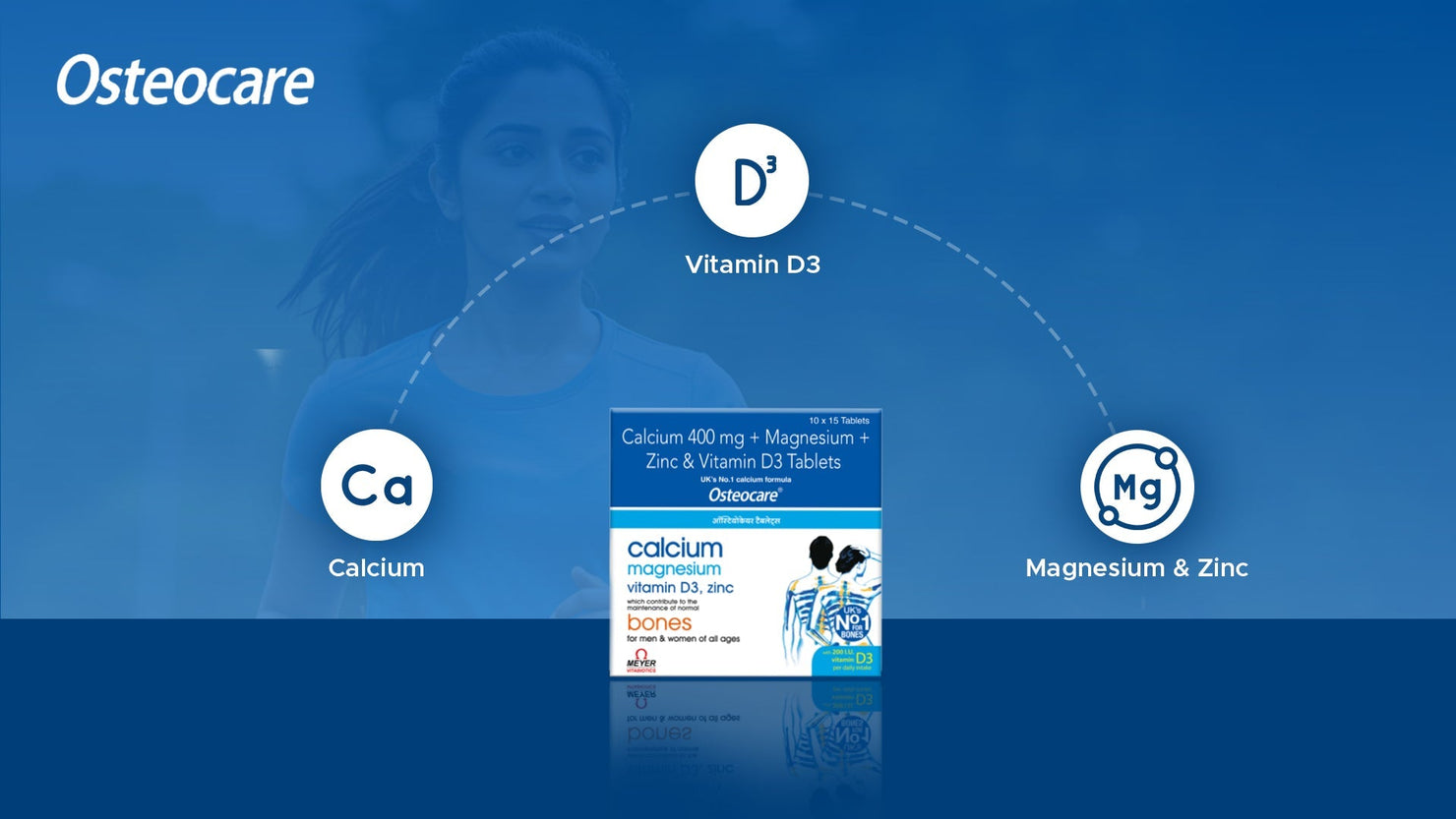
Vitabiotics Osteocare is one such brand that has a combination of calcium, Vitamin D, magnesium and zinc which support each other and work together to support your pregnancy and health. The Pregnacare range from Vitabiotics is also a good choice. It includes calcium as well as a plethora of other nutrients that provide comprehensive prenatal care.
Possible Side Effects
Calcium tablets are generally safe during pregnancy when taken in the correct dosage. However, there are instances where women may experience constipation, gas or bloating or a mild stomach upset. To minimise these effects, it is recommended that you drink plenty of water and include fibre-rich foods in your diet like legumes, whole grains and fruits.
You can also split your calcium doses into two smaller doses if your doctor recommends that you do so. Excessive calcium intake (Over 2,500 mg) may cause kidney stones or interfere with the absorption of other minerals, so always remember to follow your doctor’s advice and have a proper diet plan.
Tips for Taking Calcium in Pregnancy
- Stick to the schedule the doctor recommends
- Include calcium rich foods along with supplements to meet the daily calcium requirements
- Make sure to include Vitamin D, either by spending time outside in the sunlight or through supplements that have it
- Track how many nutrients you're taking to avoid overdosing, especially if you are taking multivitamins
FAQs
-
What is the best time to take calcium tablets - morning or night?
Calcium tablets can be taken after any meal. Some women prefer evening doses to avoid interference with iron supplements taken in the morning.
-
Can too much calcium harm my baby?
Excessive calcium doesn’t benefit the baby and may cause side effects for the mother, such as kidney stones. Stick to the dosage prescribed by your doctor.
-
What foods should I eat along with calcium tablets?
Include calcium-rich foods like dairy products, almonds, ragi, sesame seeds, and leafy greens. Pair them with Vitamin D-rich foods (or safe sun exposure) to improve absorption.
-
Can I take calcium tablets throughout my entire pregnancy?
Yes, calcium is needed in all trimesters, especially the second and third when your baby’s bones and teeth develop quickly. Always follow the dosage prescribed by your doctor.
Conclusion
Adequate calcium is a must have during pregnancy, not only for the development of the baby, but to support your health even after the pregnancy, to prevent and complications during pregnancy, and to also help ease the burden your body must bear during and even after pregnancy. Take your supplements at the right time, while eating nutrient-rich food and keeping tabs on your nutrient intake.
Follow the dosage guidelines and your doctor’s recommendations and choose safe and trusted brands like Vitabiotics Osteocare or Pregnacare to ensure a successful and healthy pregnancy. Also, always remember that not only a balanced diet, but exercise and regular checkups are just as important for your wellbeing.