




Feeling tired all the time? Struggling with hair thinning, pale skin, or random dizzy spells? It might not just be “stress,” your body could be low on iron. That's where iron supplements come in, and trust me, picking the right one can feel like scrolling through Netflix, too many options, not enough guidance.
This guide will help you cut through the clutter. Whether you're eyeing b12 iron tablets, liquid options like Feroglobin B12 syrup, or wondering if iron supplements for women are different from men's, you'll know exactly what to look for and why.
Table of Contents
- What are iron supplements, and why do you need them?
- Signs you might be iron deficient
- Types of iron supplements: tablets, capsules, and syrups
- Key ingredients that make the difference
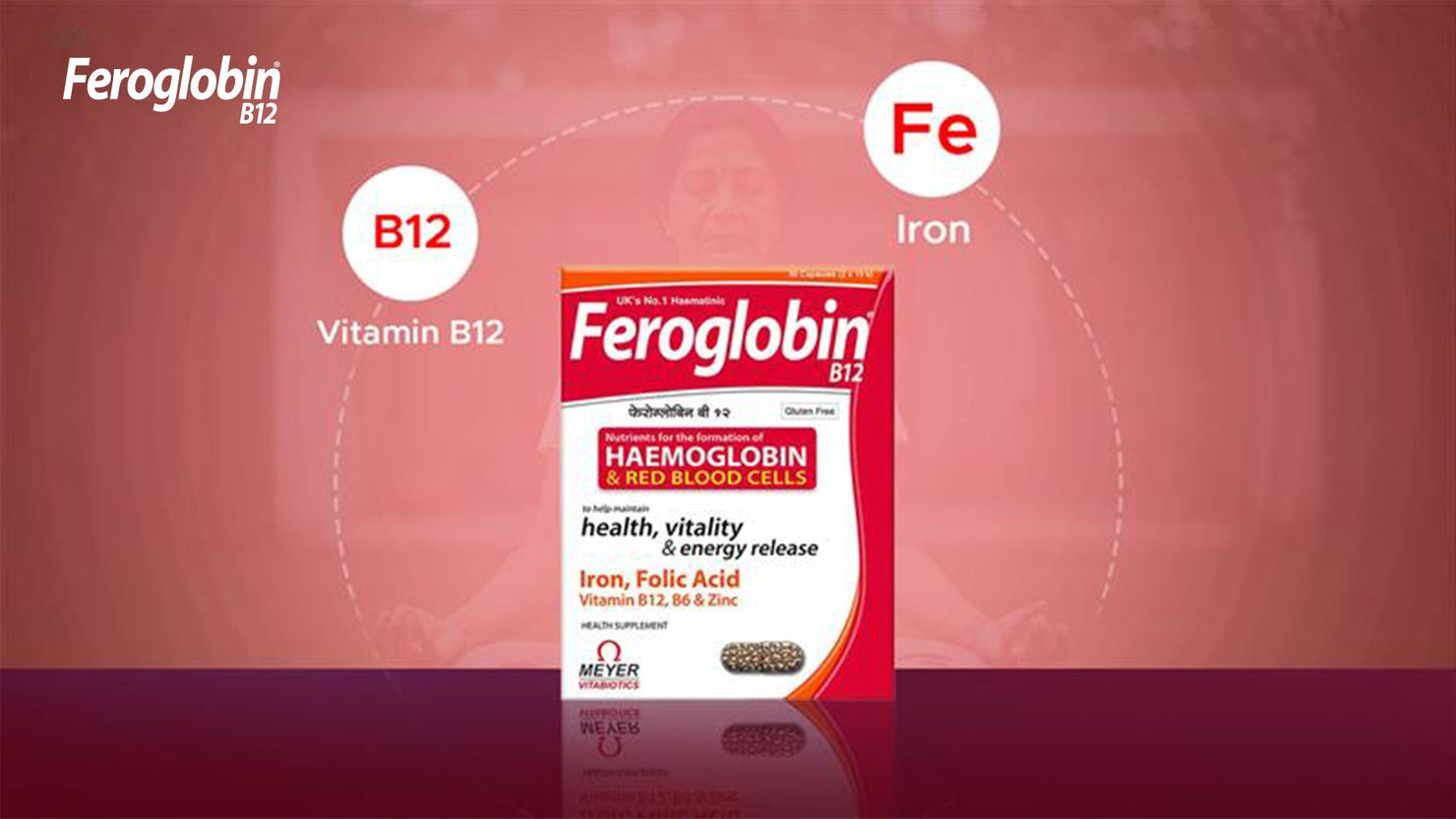
- How Feroglobin B12 syrup stands out
- Iron supplements for women: what's unique?
- Comparing B12 iron tablets vs vitamin B12 capsules
- How to choose the right iron supplement for your lifestyle
- FAQs
- Final thoughts
What are iron supplements, and why do you need them?
Iron supplements are exactly what they sound like, dietary boosters to help your body maintain healthy iron levels. Iron is crucial for hemoglobin production, which allows your red blood cells to carry oxygen. Without enough, your body runs like a phone stuck at 5% battery.
The World Health Organization estimates that 30% of the global population is anemic, with women being the most affected. That's why supplements exist, to bridge the gap when diet alone isn't enough.
Signs you might be iron deficient
How do you know if you actually need supplementation? Look out for these:
- Constant fatigue or low energy
- Pale skin or brittle nails
- Shortness of breath climbing stairs
- Cold hands and feet
- Hair fall or thinning
- Frequent infections
If two or more ring a bell, it's worth getting a blood test and talking to your doctor
Types of iron supplements: tablets, capsules, and syrups
Not all supplements are created equal. Here's the breakdown:
- Tablets & Capsules: The most common. Easy to store, but some people find them harsh on the stomach.
- B12 Iron Tablets: Combine iron with Vitamin B12, which helps with red blood cell production and energy.
- Vitamin B12 Capsules: Great if you're only deficient in B12, but if you're also low on iron, these alone won't cut it.
- Syrups (like Feroglobin B12 syrup): Gentler, especially for children, older adults, or people who struggle with pills.
Key ingredients that make the difference
When shopping for supplements, don't just grab the first “iron” label you see. Here's what you should check:
- Iron Type: Look for slow-release iron, it's easier on the stomach.
- Vitamin B12: Essential for nerve health and energy.
- Folic Acid: Helps your body make new red blood cells.
- Zinc & Copper: Aid iron absorption and support immunity.
- Vitamin C: Improves iron absorption.
Think of these as a supporting cast. Alone, iron works. Together, they shine.
How Feroglobin B12 syrup stands out
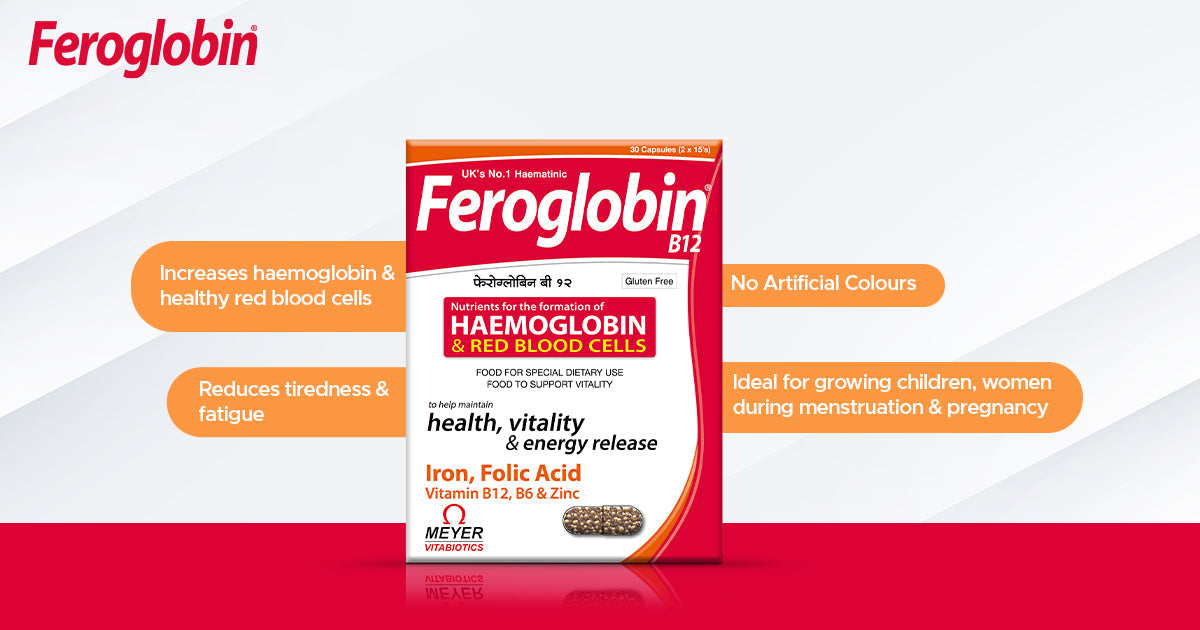
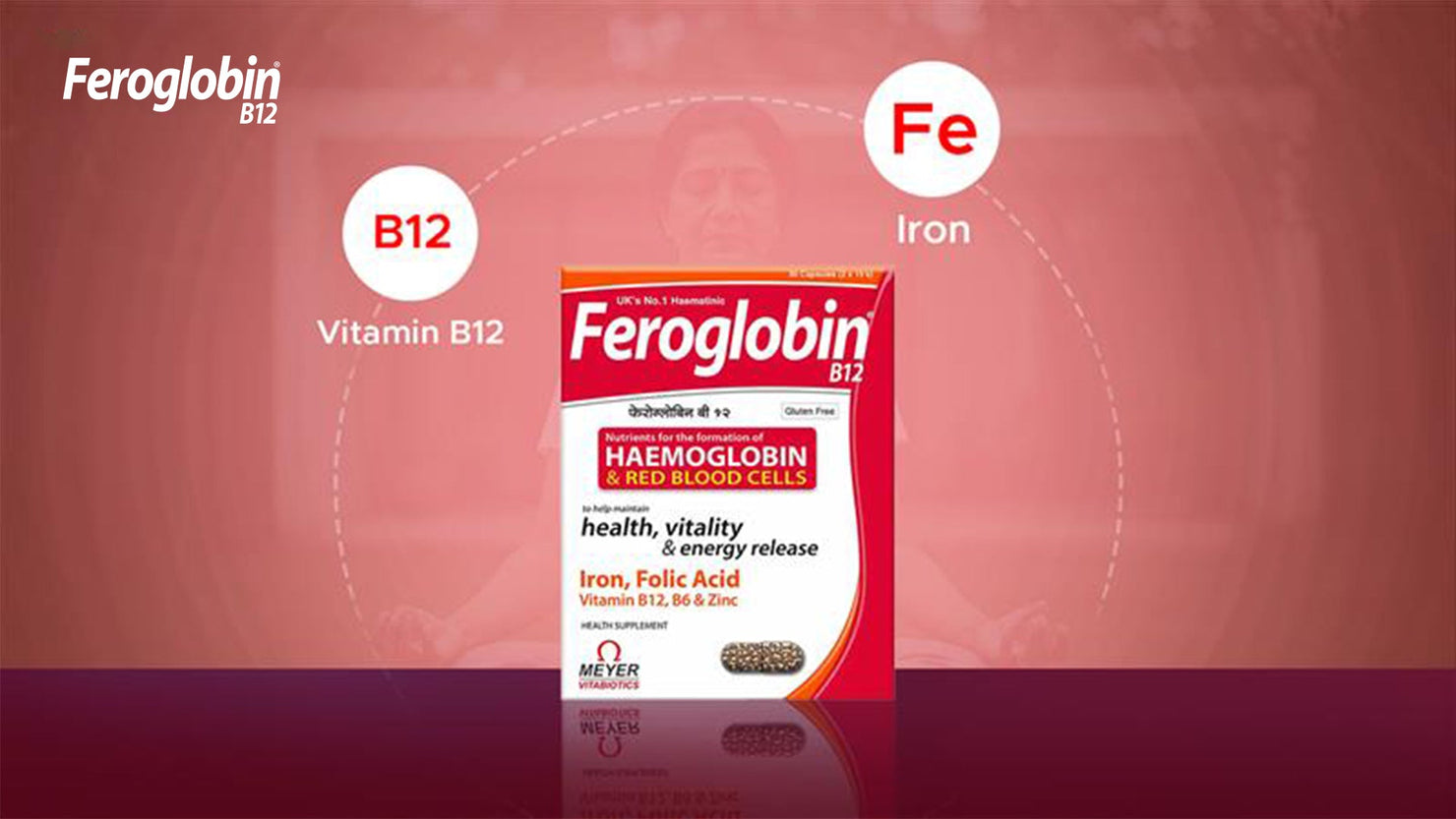
Unlike basic iron pills, Feroglobin B12 syrup blends iron with B12, folic acid, and essential trace minerals in a slow-release formula. Translation? No more nausea or “iron tummy.” It's particularly useful for:
- Kids in growth spurts
- Pregnant women (with doctor's advice)
- Adults recovering from illness
- Anyone tired of side effects from standard tablets
In short: it's gentle, comprehensive, and actually enjoyable to take.
Iron supplements for women: what's unique?
Here's the deal: women often need more iron than men. Why? Monthly periods, pregnancy, and even postpartum recovery increase the demand.
That's why iron supplements for women usually contain extra folic acid and B12. They help tackle not just anemia but also fatigue, mood dips, and hair health. It's less about vanity and more about resilience.
Comparing B12 iron tablets vs vitamin B12 capsules
So what should you choose: b12 iron tablets or vitamin B12 capsules?
- B12 iron tablets: Perfect if your fatigue stems from low hemoglobin or iron-deficiency anemia. These cover both bases.
- Vitamin B12 capsules: Better suited for vegetarians, vegans, or older adults who may have absorption issues but normal iron levels.
Bottom line: If iron is your main concern, go for the combo. If not, plain B12 may do.
How to choose the right iron supplement for your lifestyle
Here's a quick checklist:
- Get tested first: know your levels before popping pills.
- Check the formulation: does it combine supporting nutrients?
- Pick your format: tablets, capsules, or syrups, based on preference.
- Go gentle: slow-release formulas reduce side effects.
- Think long-term: supplements aren't quick fixes, they're habits.
FAQs
1 Can I take iron supplements every day?
Yes, but dosage depends on your deficiency level. Always follow your doctor's advice.
2 Do iron supplements cause constipation?
Some do. That's why slow-release or liquid forms like Feroglobin B12 syrup are better tolerated.
3 What's better: vitamin B12 capsules or b12 iron tablets?
If you're only B12 deficient, capsules are enough. If you also have low iron, the combo tablets work better.
4 Are iron supplements for women safe during pregnancy?
Yes, but only under medical supervision. Pregnant women often need higher doses, but it varies.
Final thoughts
Choosing the best iron supplements doesn't have to feel overwhelming. The trick is understanding your body's actual needs. Some people just need B12, while others benefit more from combo options like b12 iron tablets or Feroglobin B12 syrup.
For women especially, iron plays a huge role in energy, immunity, and even hair health. And the truth is, the right supplement can be life-changing, it's not just about avoiding fatigue, it's about feeling like yourself again.
So the next time you're standing in front of the supplement aisle, remember this: don't just grab the cheapest bottle. Choose wisely, think long-term, and give your body the support it actually needs with Vitabiotics. Because when your blood runs strong, so do you.