




Pregnancy is an excellent phase in a woman's life, and it is crucial for them to pay more attention to what they eat. A balanced diet supplies most of the human requirements, but certain supplements will increase demand for both you and the growing fetus. Multivitamins for pregnant women offer a range of benefits in terms of nutrition and well-being. This article will focus on the importance of these supplements for expecting mothers during pregnancy.
Why Use Supplements During Pregnancy?
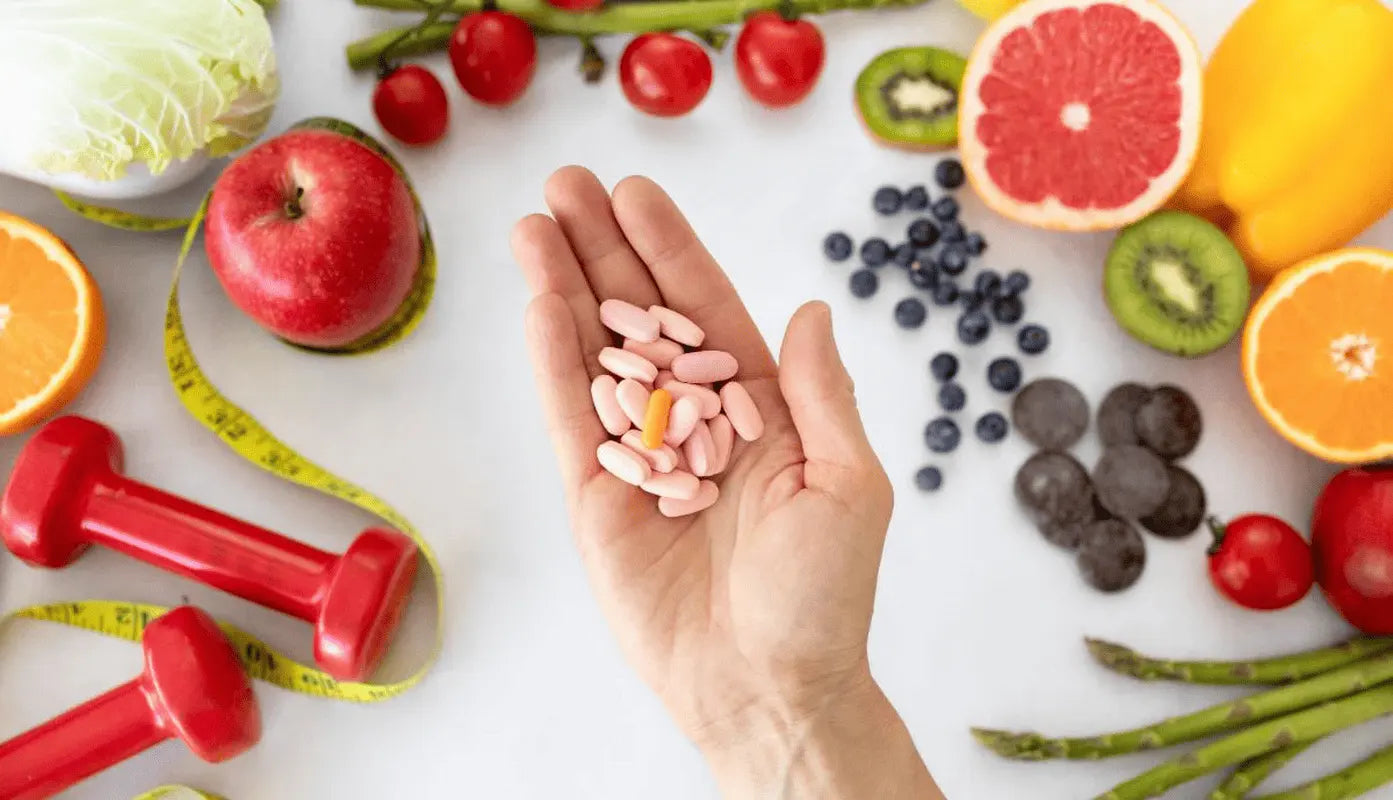
A pregnant woman's body requires additional nutrients to be provided to the growing baby and to maintain their own well-being. A balanced diet containing fruits, vegetables, whole grains, and lean meat is important. Some nutrients are challenging to obtain in adequate portions through food. Incorporating the right pregnancy tablets can help ensure balanced nutrition during this crucial phase. Taking supplements such as multivitamins helps pregnant women fill these nutritional gaps. They can also address deficiencies that might be potentially hazardous to the mother and the infant. However, not all supplements are recommended to be taken while pregnant or breastfeeding; thus, you should consult your doctor.
Essential Nutrients Required During Pregnancy
Pregnant women require all nutrients, but some are essential to their well-being during pregnancy and the developing fetus. Here are the key ones and their benefits:
1. Folic Acid
Importance: It helps decrease the likelihood of developing neural tube defects with your baby, such as spina bifida. How Much to Take: At least 400 micrograms per day during the post-ovulatory period, one month prior to conception up to the first phase of pregnancy. Sources: Green, leafy vegetables, foods enriched with folic acid and vitamin B, and vitamin supplements.
2. Iron
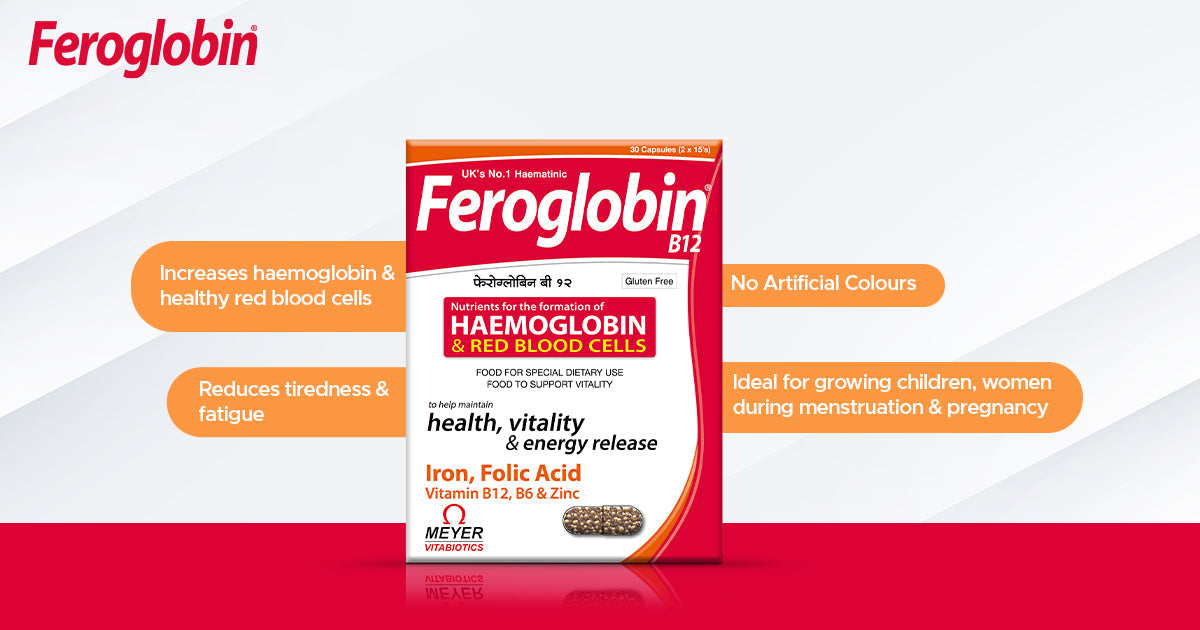
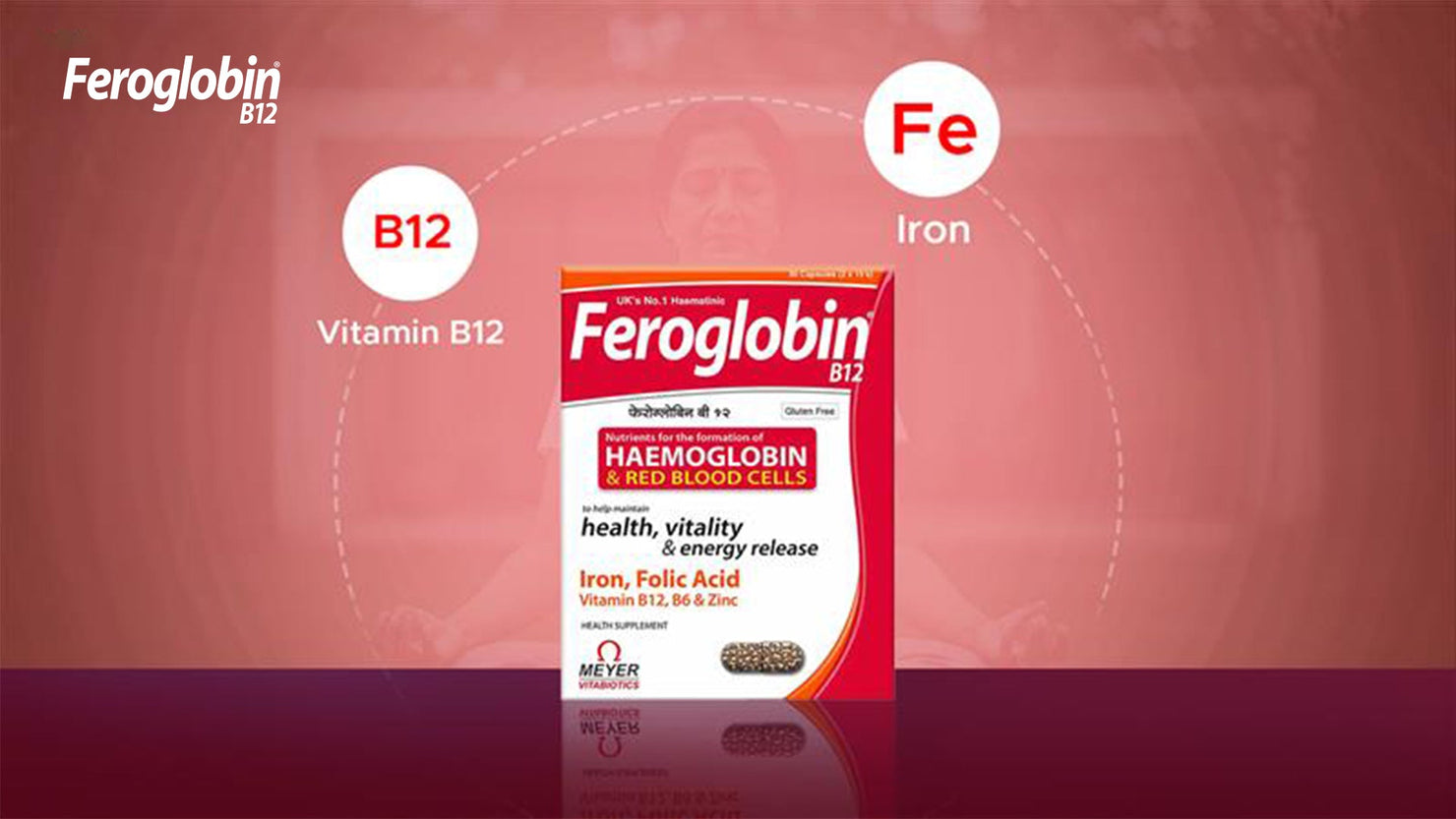
Importance: Helps produce red blood cells and treat anemia so the baby receives oxygen. How Much to Take: 27 milligrams daily. Sources: Fish, chicken, green vegetables, and iron supplements-rich multivitamin pills.
3. Calcium and Vitamin D
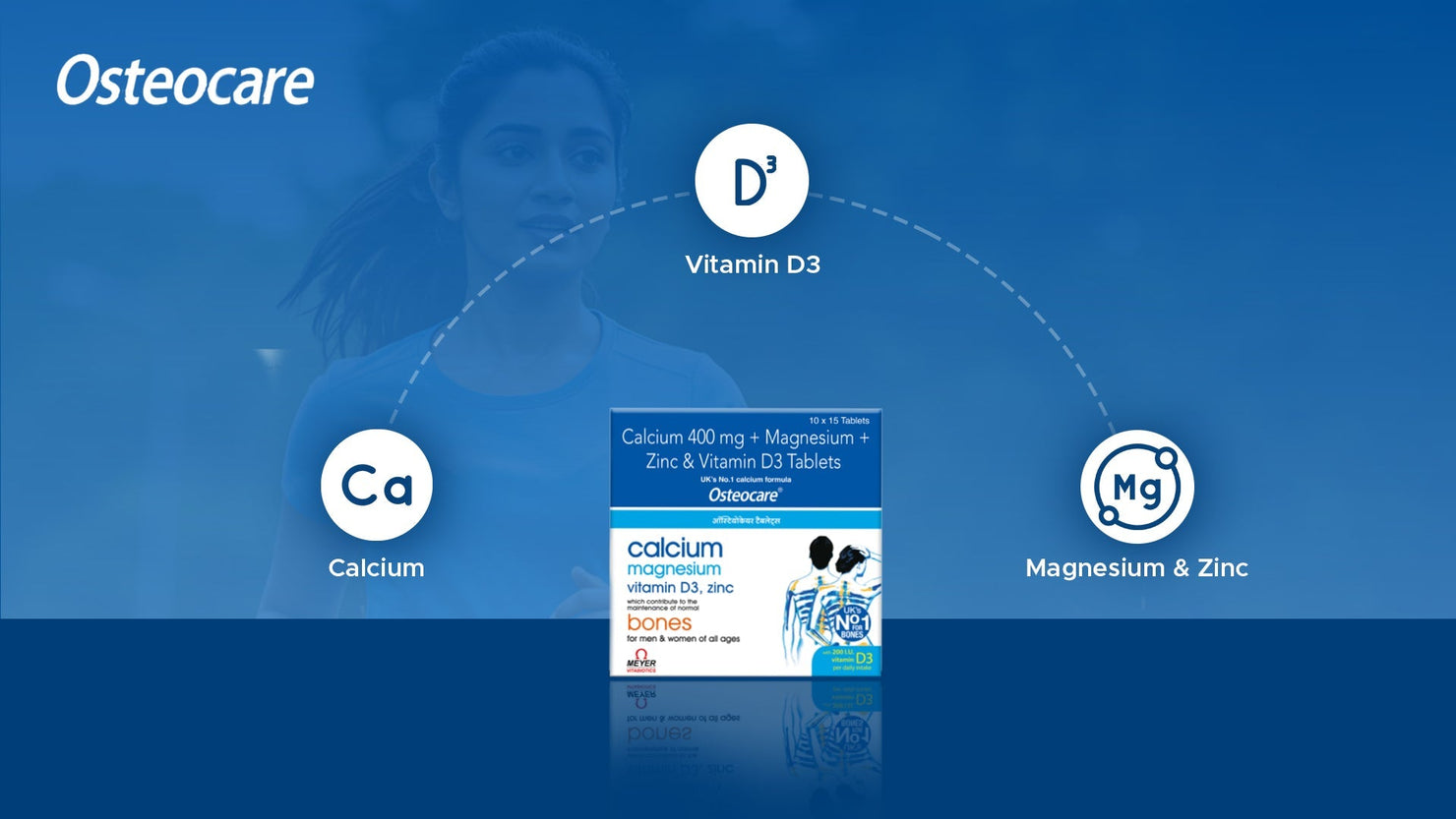
Importance: It develops the baby's bone health as it grows up. How Much to Take: 1000 milligrams of calcium and 600 IU of vitamin D daily. Sources: Dairy products, fortified juices, and "Vitamin Tablets for Pregnant Women."
4. Iodine
Importance: Helps improve the brain and the nervous system. How Much to Take: 150 micrograms daily. Sources: Iodized salt, Seafood, and prenatal supplements.
5. Omega-3 Fatty Acids
Importance: Supports proper maturation of the organ of sight and central nervous system. How Much to Take: Consult your physician for more directions. Sources: Salmon, omega-3 fish oil capsules, or omega 3 fatty acid tablets are recommended for consumption.
Choosing the Right Supplement
It's important to ensure that you get supplements for pregnant women. Pregnacare are a trusted option formulated to provide comprehensive nutrition during pregnancy. Folate, iron, and vitamin D are some of these nutrient tablets and are the best available for the mother and the fetus. Tips for Choosing Supplements:
- Consult Your Healthcare Provider: Before taking any supplement, it's always important to consult the doctor.
- Check Labels. Ensure the supplement contains appropriate trace nutrients, such as folic acid, iron, and vitamin D.
- Avoid Excess Doses: Taking large doses of some vitamins, such as vitamin A, is dangerous for the baby.
Timing Matters
Ideally, you should start taking prenatal vitamins, such as multivitamins for pregnant women, before conception. This helps to ensure your body is well supplied with folic acid and other important nutrients during the initial weeks of pregnancy. Firstly, you should start taking supplements immediately after you get pregnant if you have never taken any before now, or you should consult your physician before you take any.
Practical Advice for the Use of Supplements
Here's how you should add supplements to your routine.
- Set a Routine: It is advisable to take your supplements at a fixed time each day so that you do not miss them.
- Pair with Meals: Many supplements, such as iron, are more effective when taken with food.
- Stay Hydrated: You should also take lots of water so your body can metabolize the supplements effectively.
- Monitor Side Effects: Certain vitamins and minerals may lead to side effects such as nausea and constipation. If these side effects continue, please consult your doctor.
Are Supplements Enough?
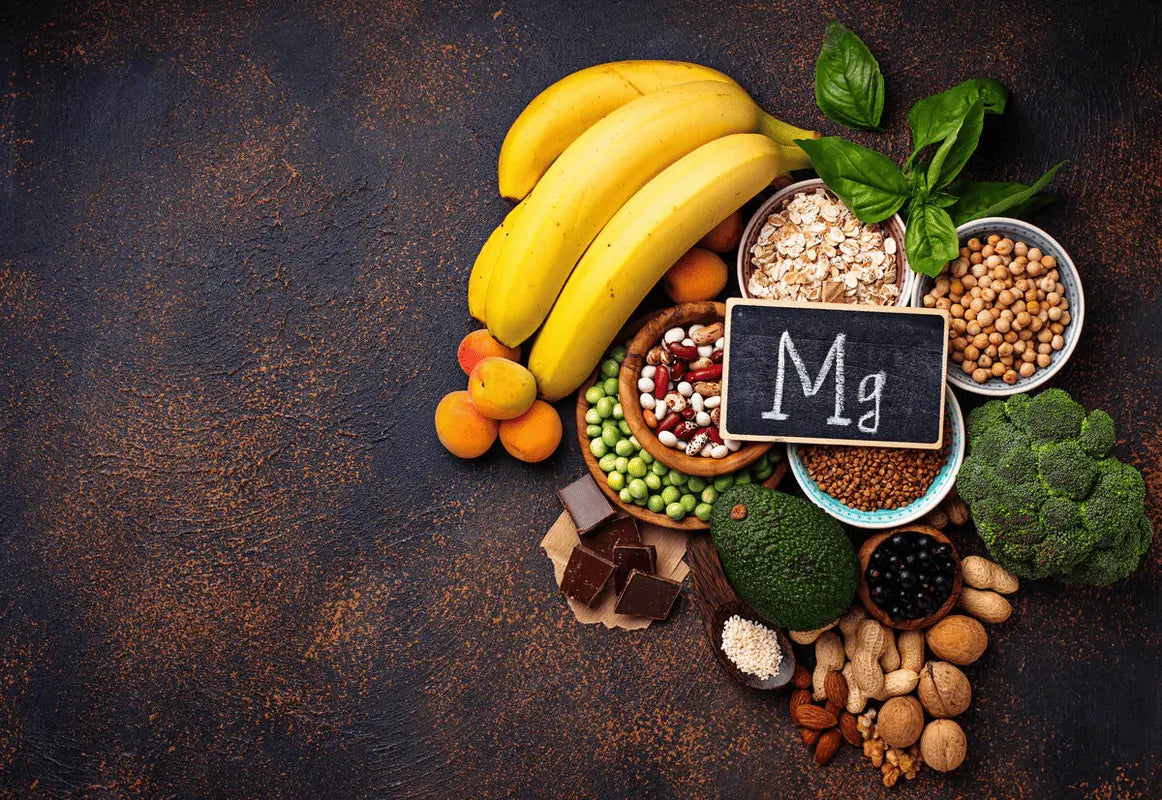
This is just a reminder that supplements should not be used in place of proper nutritional foods. Focus on incorporating nutrient-dense foods like:
- Leafy Greens: Rich in folate and iron.
- Dairy Products: Contains calcium and vitamin D.
- Lean Proteins: Required for muscle and tissue formation.
- Whole Grains: Supply constant energy producer and fiber.
Thus, the woman's nutrition during pregnancy becomes diverse with the gradually improving diet and individual supplements.
Avoiding Harmful Supplements
Some supplements can be dangerous during pregnancy. Some vitamins, including vitamin A, are hazardous if consumed in large portions. Consequently, herbal supplements or multivitamins not formulated for prenatal use can include prohibited substances in pregnancy.
- Supplements to Avoid
- Supplements high in vitamin A.
- Unverified herbal products.
- Too many pills containing caffeine.
It's always wise to consult your doctor before you take any supplement or medication.
The Benefits of Pregnacare Tablets
Pregnacare Tablets offer a scientifically formulated blend of essential nutrients for every stage of pregnancy. Beyond just a folic acid supplement, these tablets provide comprehensive support for maternal health information services, nutrients to avoid pregnancy complications and a reliable remedy for several generations of mothers. Trusted by women worldwide, Pregnacare India ensures the same level of care and nutrition, helping expectant mothers maintain their health and well-being throughout pregnancy.
Final Thoughts
Pregnancy can be a beautiful thing for any mother, but it is also a time of greater nutritional requirements. It is very important that you take enough vitamins and minerals so that they can help your baby grow and not harm your body. Supplements like Vitamin Tablets for Pregnant Women are excellent for filling dietary gaps and providing targeted support. However, this should be taken with other food sources and not be replaced by supplements alone. If you are ever planning to add any supplement to your diet, always see your physician for the right one. Choosing clinically tested supplements from reputed brands like Vitabiotics ensures that you’re getting quality and safety during your pregnancy journey.