




Meta description: Discover why women are more likely to experience iron deficiency and how to combat it with science-backed solutions like Vitamin B12 capsules and gentle Feroglobin iron tablets. One of the most common concerns around the world is iron deficiency, but it is also a fact that it affects more women than men.
Women are nearly twice as likely as men to experience iron deficiency at some point in their lives. It is one of the most essential minerals that plays an important role in our overall health and wellness.
But we can’t deny the fact that maintaining optimal iron levels can be challenging for many women across the world, which is why supplements like Feroglobin are often recommended to help bridge the gap and support healthy blood and energy levels. Let’s see why women face a bigger risk of iron deficiency and how with the right supplements one can restore balance.
So, Why are women more prone to Iron Deficiency?
Menstrual Cycles One of the primary reasons for deficiency is menstruation. During each monthly cycle, women lose blood containing iron-rich hemoglobin. If you are one of those women who experiences heavy periods, this monthly blood loss can significantly deplete iron stores over time.
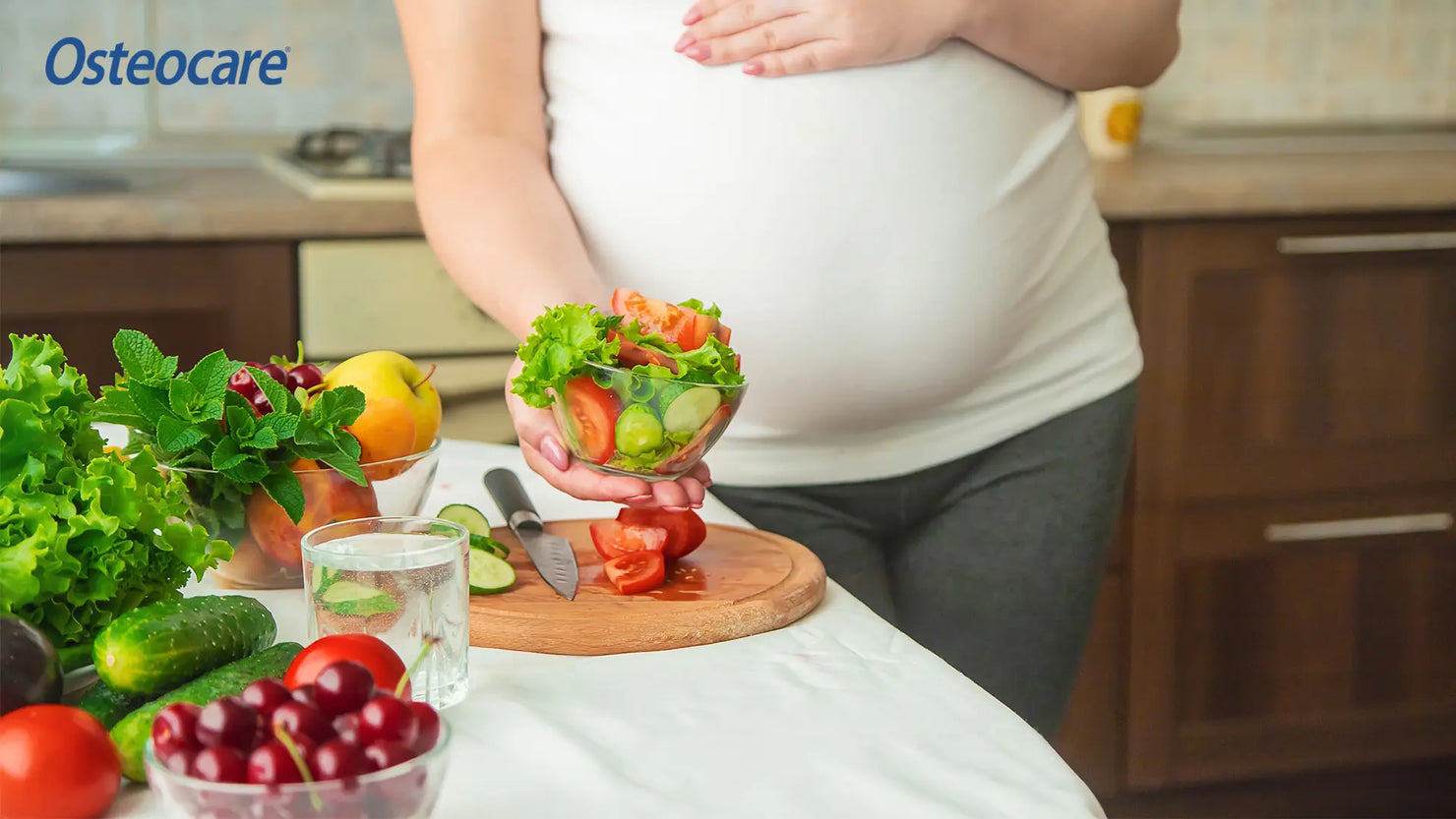
Pregnancy and Childbirth Like menstruation, pregnancy can also dramatically increase a woman's iron requirements. Not only does blood volume expand by approximately 50% during pregnancy, but the growing foetus and placenta also require substantial iron for development.After childbirth, the blood loss that occurs during delivery further depletes iron reserves.
Dietary Factors Many women do not get sufficient iron from their diet. This could be because of:
- Calorie-restricted diets
- Vegetarian or vegan lifestyles
- Food preferences that limit iron-rich foods
- Reduced absorption due to certain medications or health conditions
The Impact of Iron Deficiency in a Woman’s Body?
Iron deficiency can manifest in numerous ways that significantly impact quality of life: Fatigue and Reduced Energy The most common symptom of iron deficiency is fatigue that never goes away. When iron levels drop, oxygen transport throughout the body becomes less efficient, leaving you feeling exhausted even after adequate rest.
Compromised Immunity Iron is pivotal for immune function. Deficiency can make women more susceptible to infections and slow recovery times.
Cognitive Effects Iron deficiency can impair cognitive function, affecting concentration, memory and productivity.
Poor Temperature Regulation Many women with iron deficiency report feeling cold frequently, especially in their extremities, due to reduced circulation.
Identifying Iron Deficiency Before beginning any supplementation, it's essential to confirm iron deficiency through proper testing. Common indicators include:
- Consistently low energy levels
- Pale skin and nails
- Shortness of breath during normal activities
- Dizziness or light-headedness
- Brittle nails or hair loss
A simple blood test can measure hemoglobin levels, serum ferritin (stored iron), and other markers to determine if iron deficiency is present and its severity.
Winning the Iron Deficiency Battle with the Right Supplements
Comprehensive Supplementation Approach
For many women, a well-formulated iron supplement can effectively address deficiency. However, not all supplements are created equal. The ideal formulation should include:
-
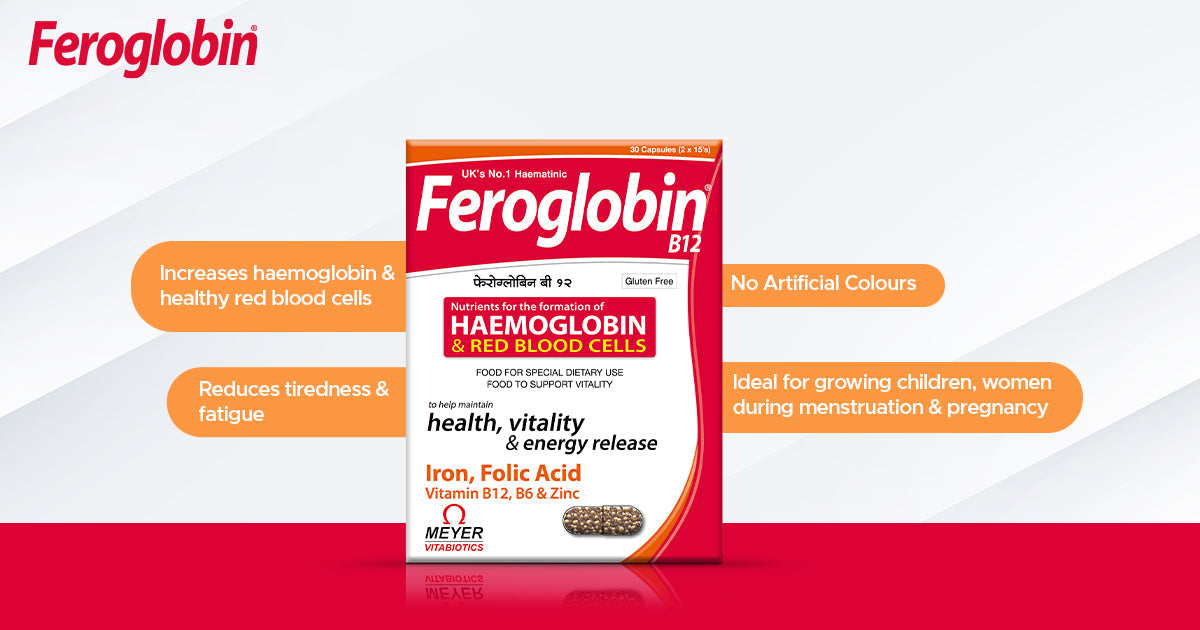
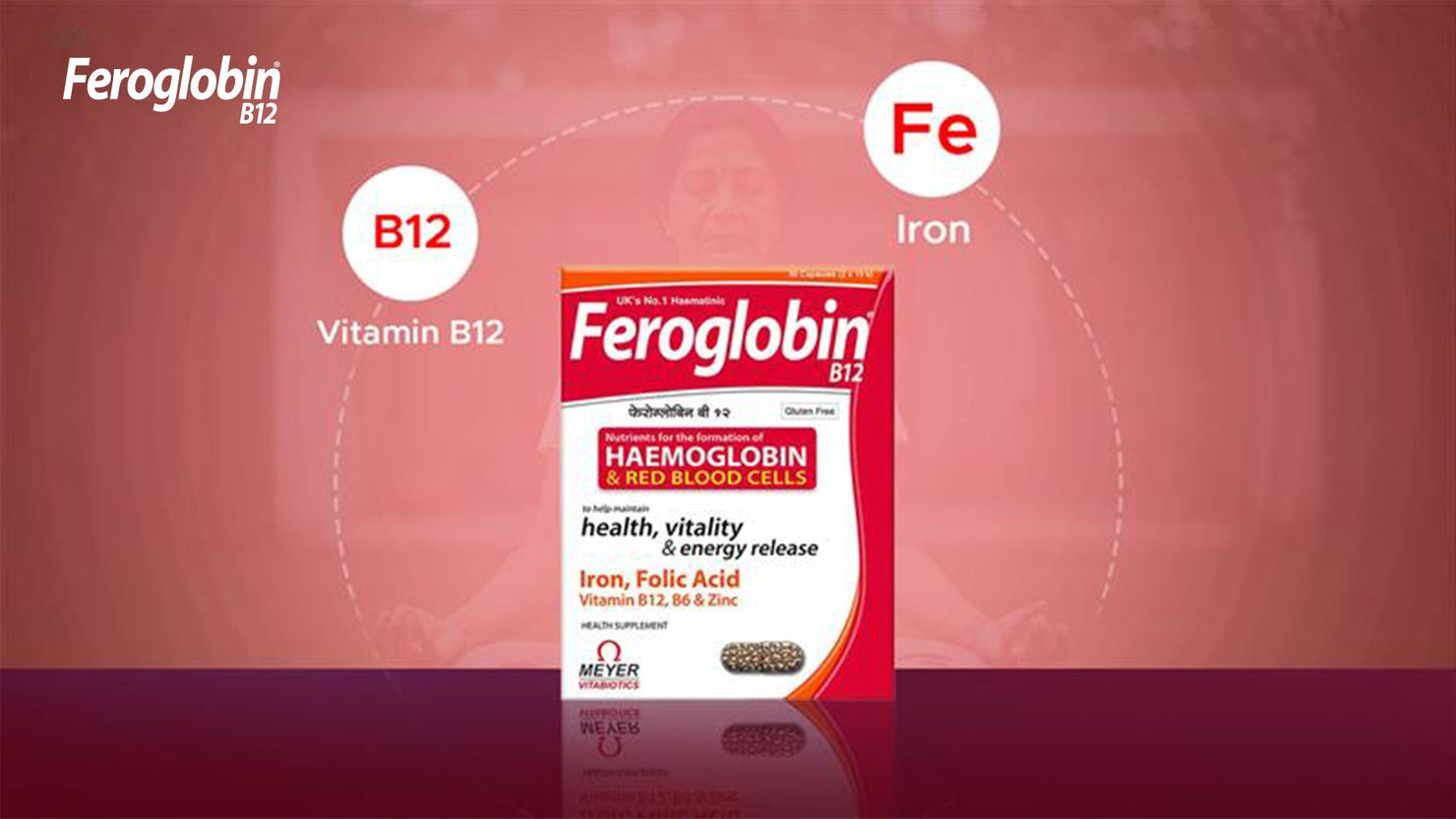
Gentle Iron Formulation Many iron supplements cause digestive discomfort, including constipation, nausea or stomach pain. Feroglobin capsules are designed as gentle iron tablets for women, utilizing a slow-release system that prevents excess iron in the stomach while ensuring proper absorption.
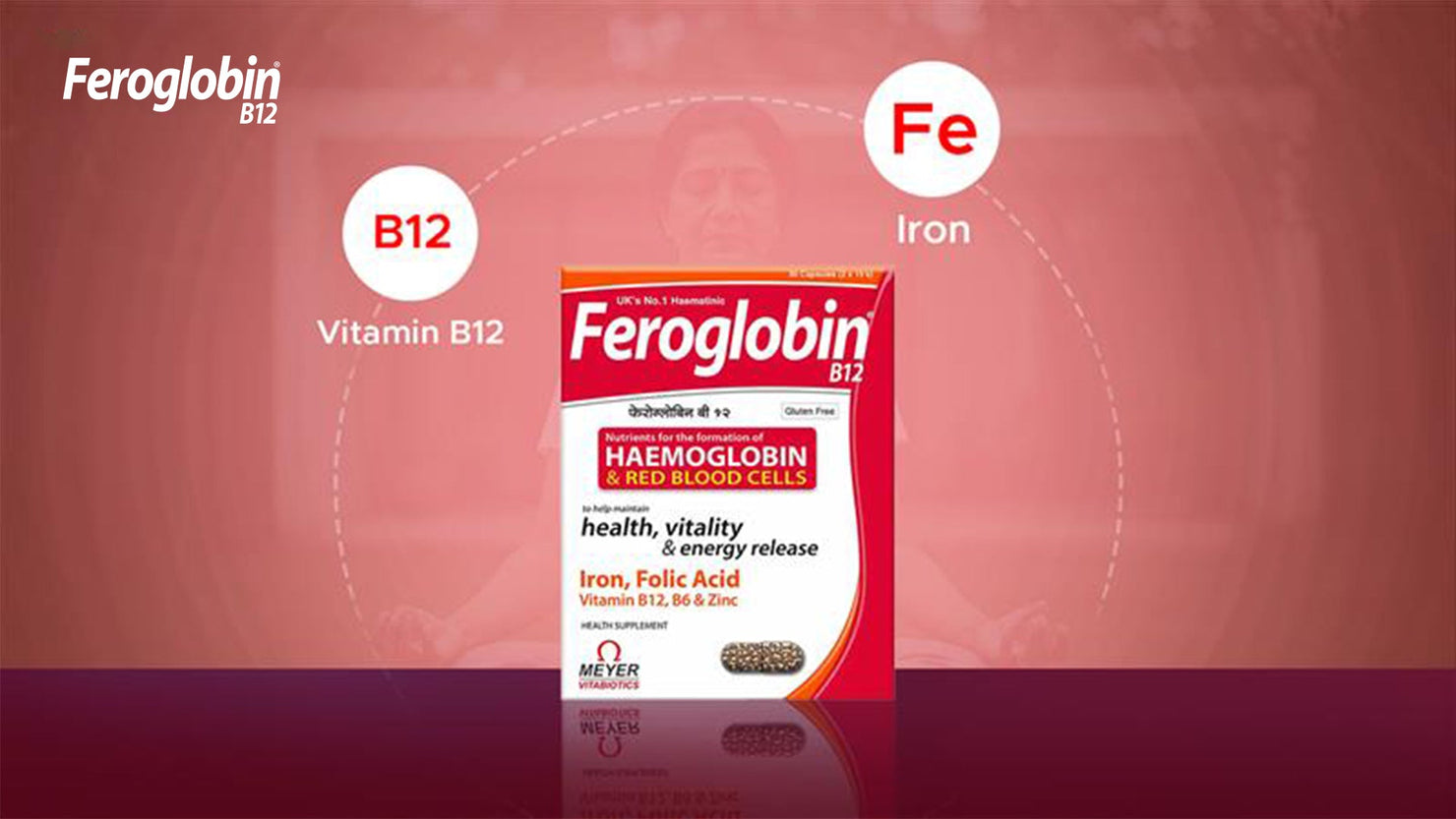
- Complementary Nutrients The most effective iron supplements include vitamins and minerals that enhance iron absorption and utilization. Feroglobin iron tablets are formulated with: a. Vitamin B12: Essential for red blood cell formation and neurological health b. Folic Acid: Works synergistically with iron and B12 to produce healthy red blood cells c. Vitamin B6: Supports protein metabolism and hemoglobin production d. Zinc: Enhances immune function and works alongside iron in numerous bodily processes e. Copper: Assists with iron transport and utilization
Spotlight on Vitamin B12
While iron gets most of the spotlight in discussions about blood health, vitamin B12 is equally important. Vitamin B12 capsules play a crucial role in:
- Red blood cell formation
- DNA synthesis
- Neurological function
- Energy production
For women fighting iron deficiency, vitamin B12 capsules can provide additional support for energy production and cellular health.

So How Do You Pick the Right Iron Supplement? When selecting an iron supplement, you must consider the following factors:
Form and Absorption of Iron Supplements Iron supplements come in various forms, including ferrous sulphate, ferrous gluconate, and ferrous fumarate. Feroglobin B12 capsules contain a form of iron designed for optimal absorption without stomach irritation.
Complementary Nutrients Look for supplements that combine iron with synergistic nutrients. Feroglobin capsules include vitamin B12, folic acid, vitamin B6, zinc, and copper—all essential for healthy blood and energy production.
Delayed-Release Technology Slow-release formulations like those found in Feroglobin iron tablets for women help minimize digestive side effects while maximizing absorption.
Special Considerations Different life stages may require specific formulations:
- Menstruating Women: You need consistent iron supplementation to replace monthly losses
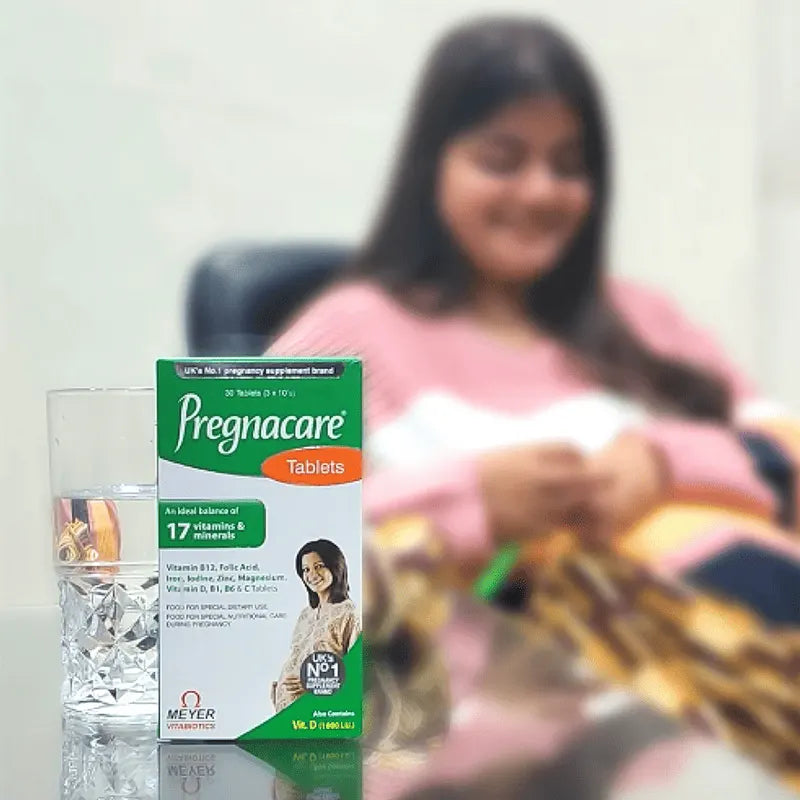
- Pregnant Women: You require higher doses of iron, folic acid and vitamin B12 supplements
- Postmenopausal Women: You may need lower iron doses but you will still benefit from comprehensive blood support
So How can you Enhance Iron Absorption? Taking supplements along with balanced diet and healthy lifestyle choices enhance iron absorption:
- Consume vitamin C-rich foods with iron supplements to enhance absorption
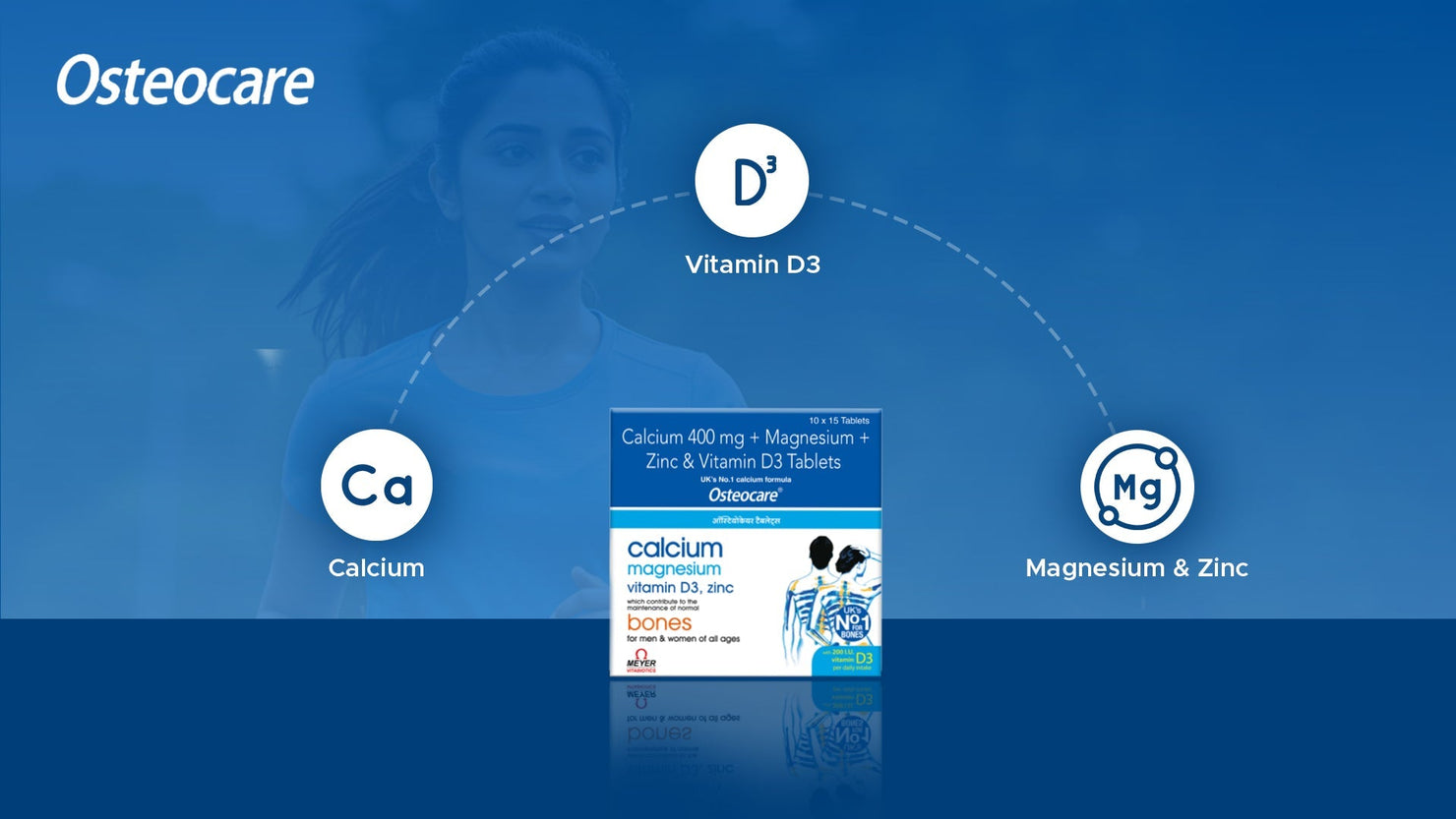
- Avoid calcium-rich foods or supplements within 2 hours of taking iron
- Limit tea and coffee around the time of supplement intake, as these can reduce absorption
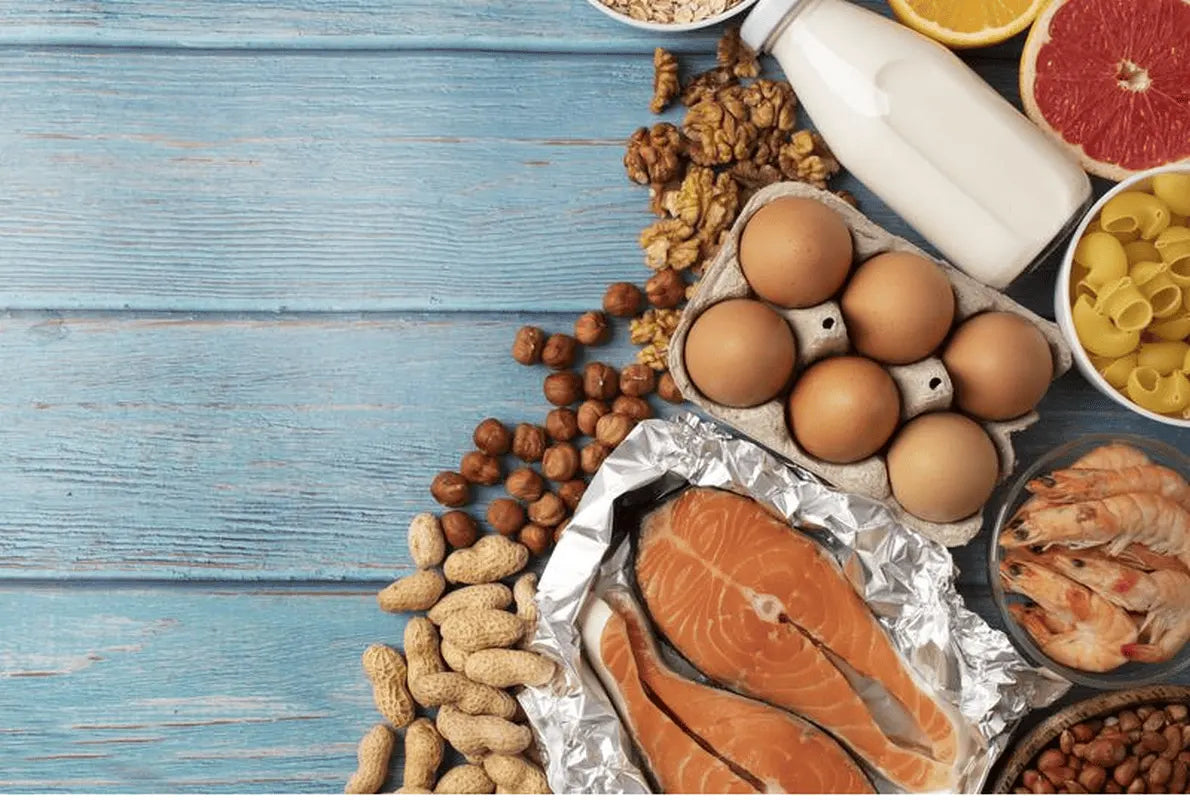
- Include iron-rich foods in your diet, such as lean red meat, dark leafy greens, beans and fortified cereals
Say yes to Iron Supplements You can easily combat iron deficiency without it becoming an inevitable part of your life. You can do this with just three steps: Take stock of your signs and symptoms, get tested and bridge the nutritional gap with targeted supplements like iron and B12 tablets.
This way you can maintain optimal iron levels throughout your life. Comprehensive supplements like Vitabiotics Feroglobin B12 provide not just iron, but a complete blend of nutrients essential for blood health and energy.
Feroglobin B12 tablet uses include supporting red blood cell formation, boosting energy, improving concentration, and reducing fatigue caused by iron and vitamin B12 deficiency. By choosing the right supplement and adopting iron-friendly dietary habits, women can effectively combat iron deficiency and experience enhanced energy, stronger immunity and better overall wellbeing.
Extra Tip: Please remember to consult with your doctor before beginning any new supplement regimen, especially if you're pregnant, breastfeeding or managing other health conditions.
With the right strategy, iron deficiency can be effectively managed, allowing women to live energetic, vibrant lives.