

Trying for a baby? Then your plate can be just as important as your ovulation tracker. If you're wondering what to eat when trying to conceive, preconception nutrition for women starts long before a test ever turns positive - your plate is already quietly setting the stage for a healthy pregnancy. Choosing foods that support reproductive health and building a diet for preparing for pregnancy can help provide the nutrients your body needs as you get ready for the months ahead.
It's not about following a complicated diet or finding one "perfect" food. It's about making everyday choices that add up to a varied, balanced and nutrient-rich diet.
Why Nutrition Matters Before the Positive Test
You may not even know you're pregnant yet, but your body has already started its work. Understanding the importance of the right nutrients for conception matters here, because in the early days after conception, the fertilised egg begins dividing and eventually implants in the uterus. Soon after, the early foundations of the baby's brain, spinal cord and other organs begin to form - which is exactly why foods to eat before pregnancy deserve attention early, as part of a healthy diet before pregnancy.
And all of this can happen before you see those two lines on a test. That's why it's worth thinking about nutrition before the positive test. A varied, balanced diet can help provide the nutrients your body needs as it prepares for pregnancy.
What Should Be on Your Plate
There's no need to completely rethink the way you eat. Start with the basics: make your everyday plate more varied.
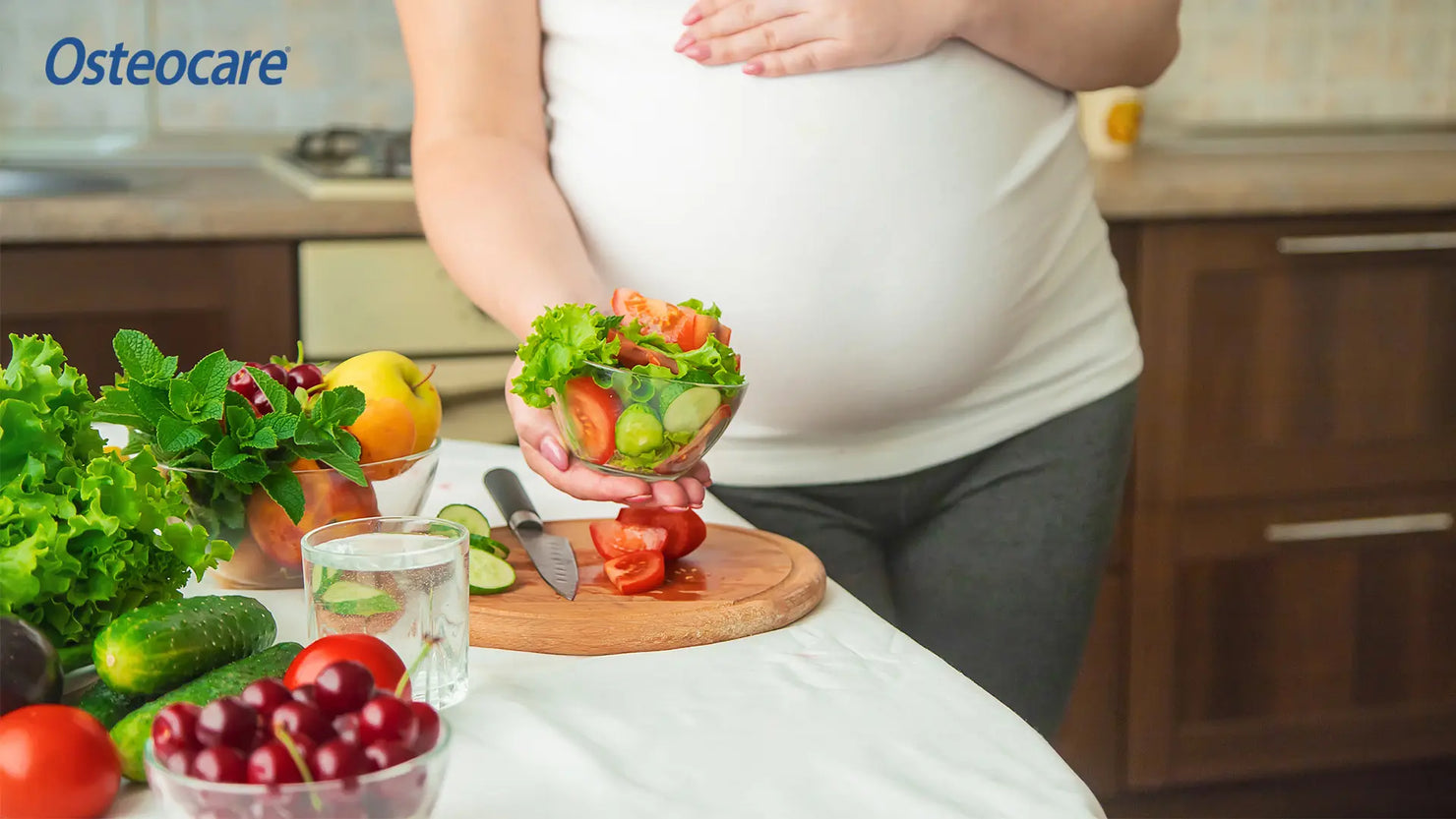
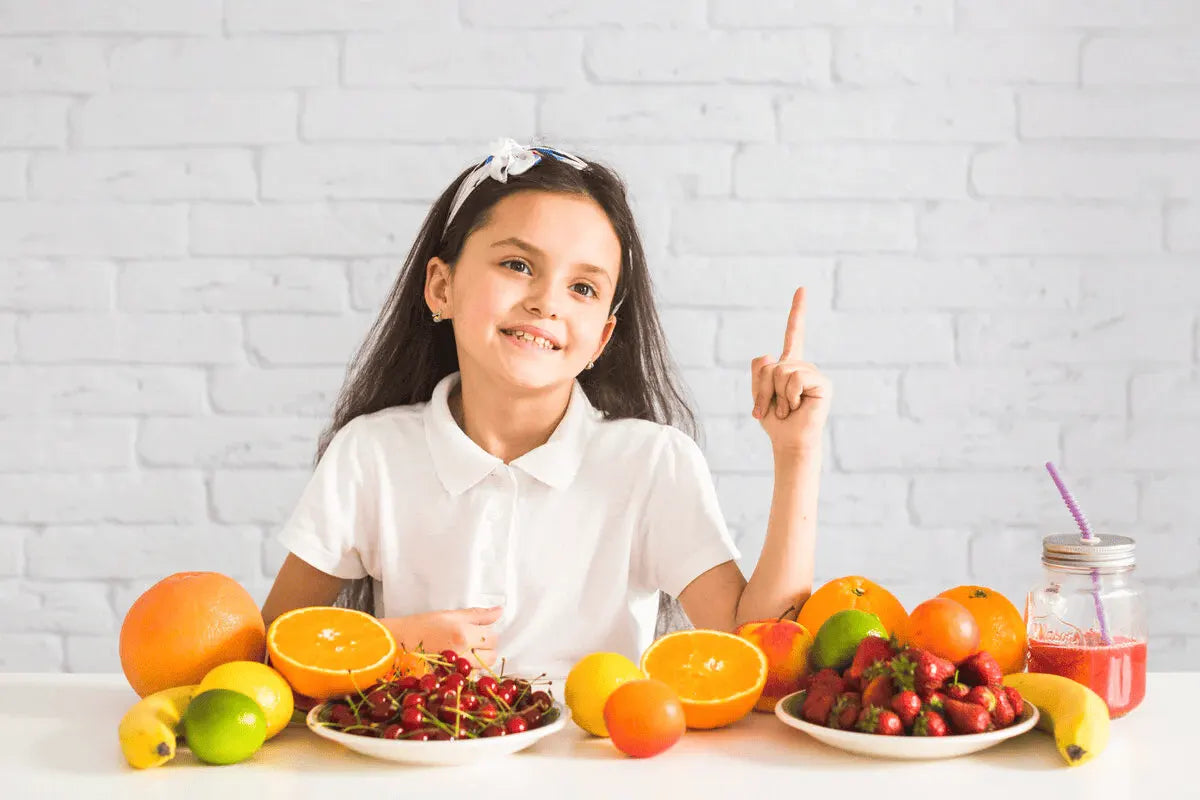
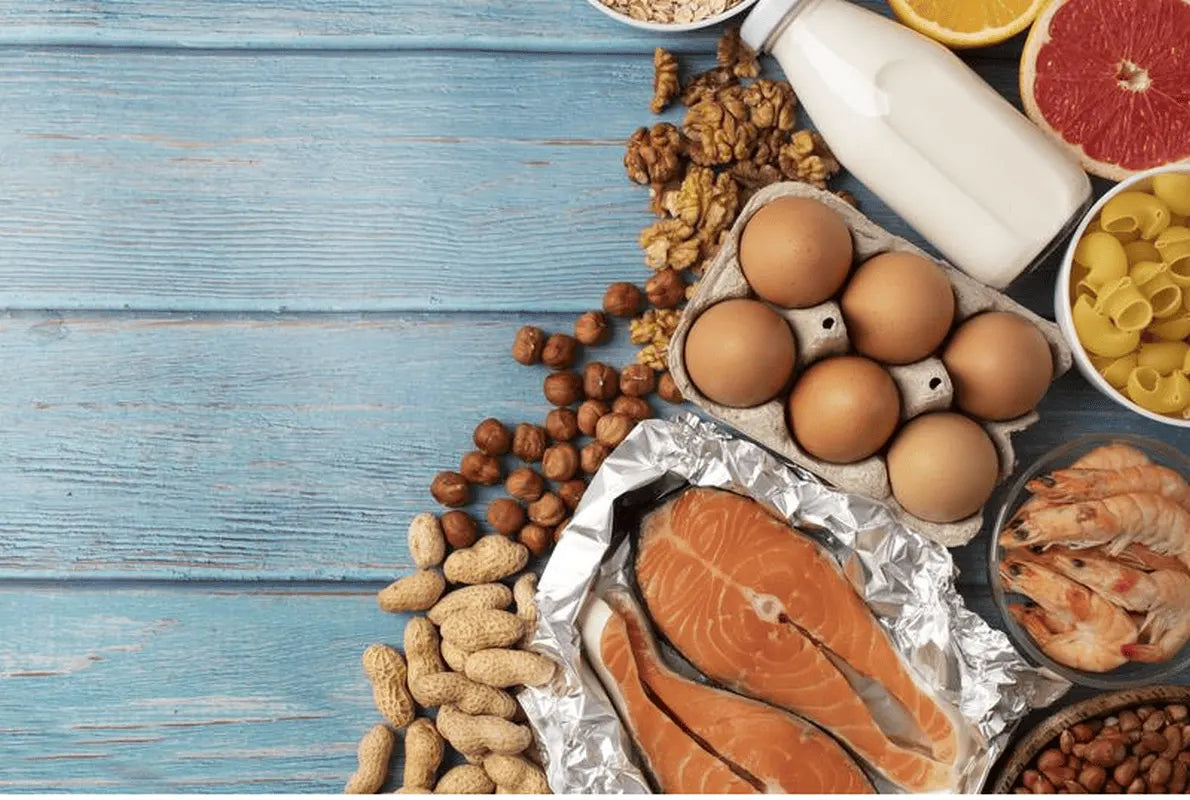
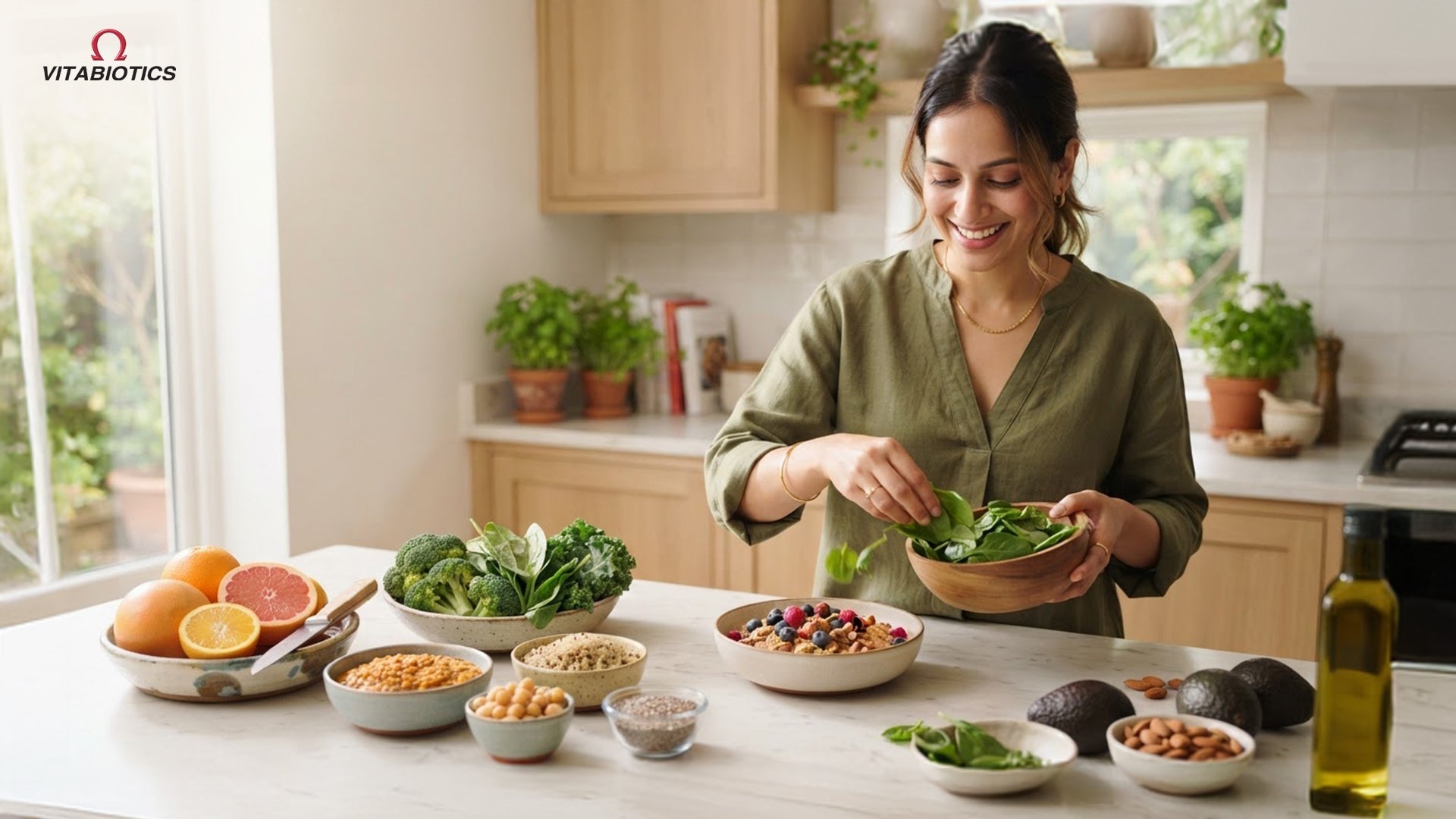
Aim to include plenty of vegetables and fruit, wholegrains, protein-rich foods, and dairy or calcium-rich alternatives across your meals. Think colourful vegetables with your lunch, wholegrains instead of refined options, and a good source of protein such as beans, lentils, eggs, fish or lean meat.
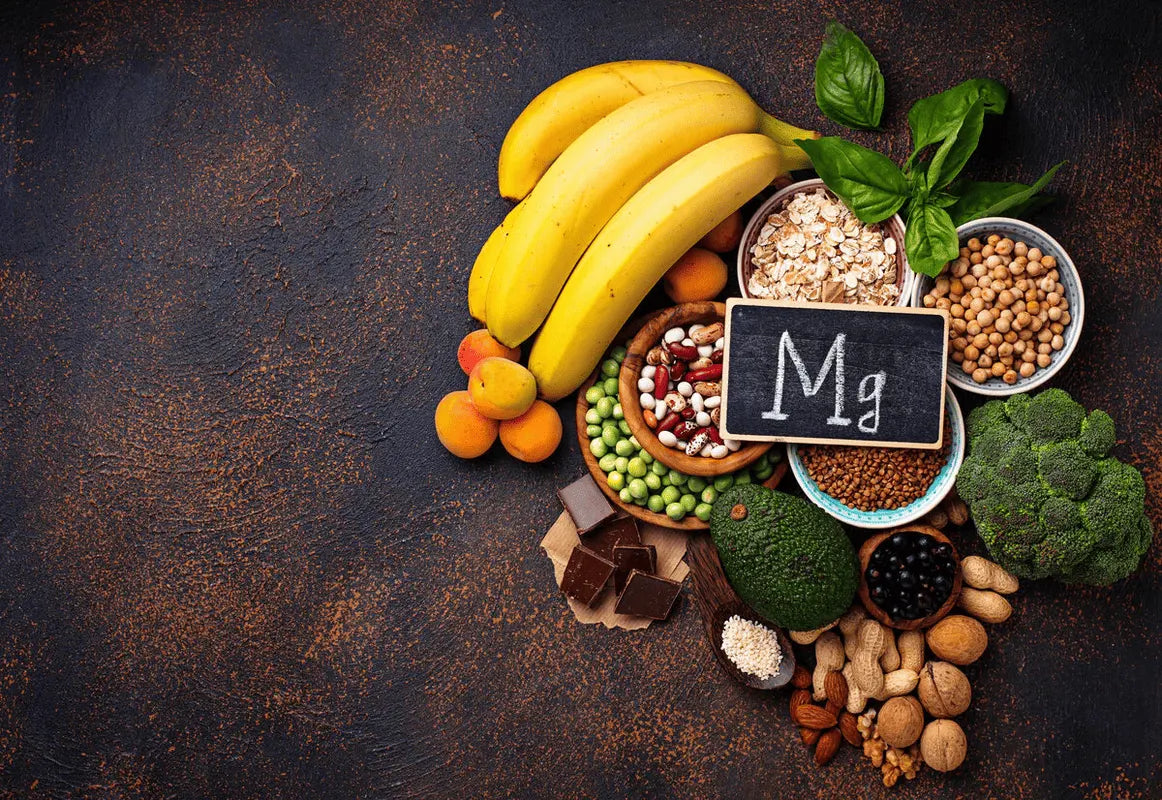
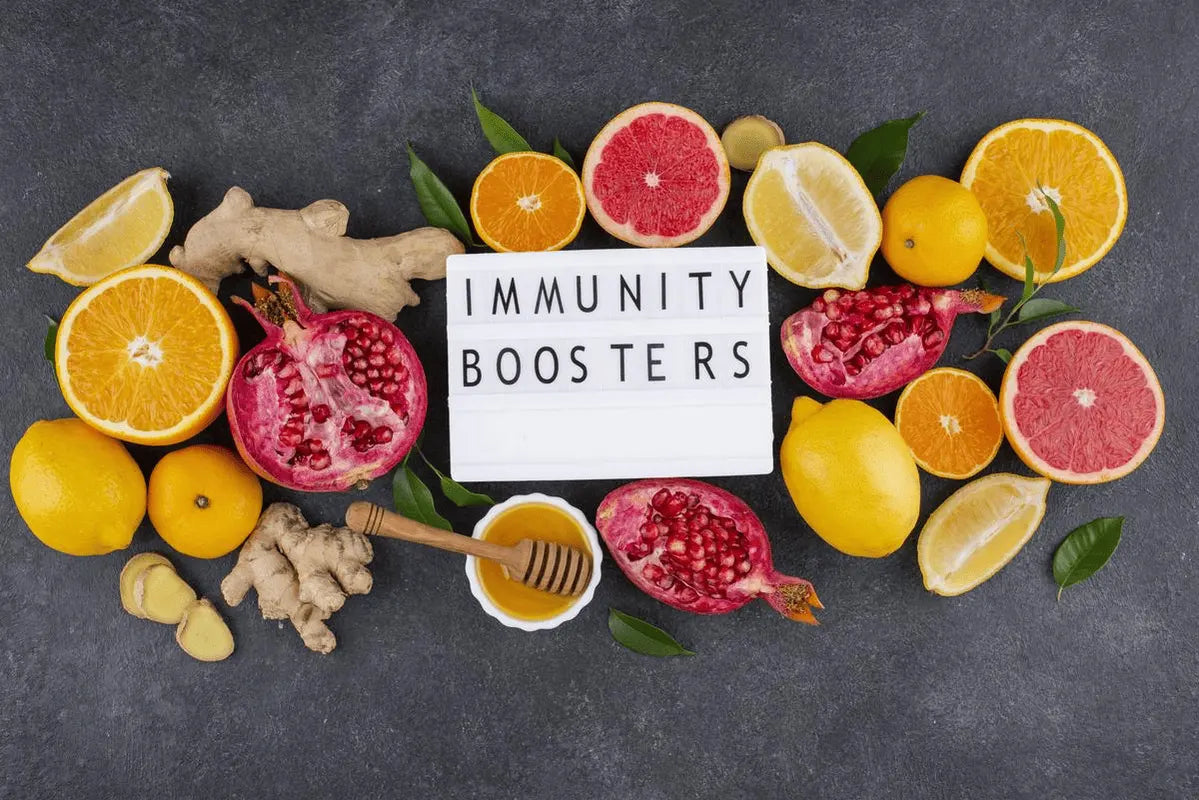
Two nutrients deserve particular attention: iron and vitamin D. For iron, include foods such as chickpeas, leafy greens, eggs and lean meat. Pairing plant-based sources with vitamin C-rich foods can also help your body absorb iron. For vitamin D, oily fish, eggs and fortified foods are all useful additions to a varied diet.
The goal isn't to make every meal perfect. It's simply about building a plate with a good mix of nutrients and keeping those choices going.
One Nutrient to Know Before Pregnancy
Folate gets to work early, even before you know you're pregnant. It supports normal maternal tissue growth and plays an important role in the early development of the baby's neural tube.
The good news? It's easy to find in everyday foods. Spinach, broccoli, chickpeas and fortified cereals are all good sources of folate. Adding them to your regular meals is an easy way to get more folate into your diet.
So, make folate a regular part of your everyday meals.
Supporting Your healthy diet before pregnancy
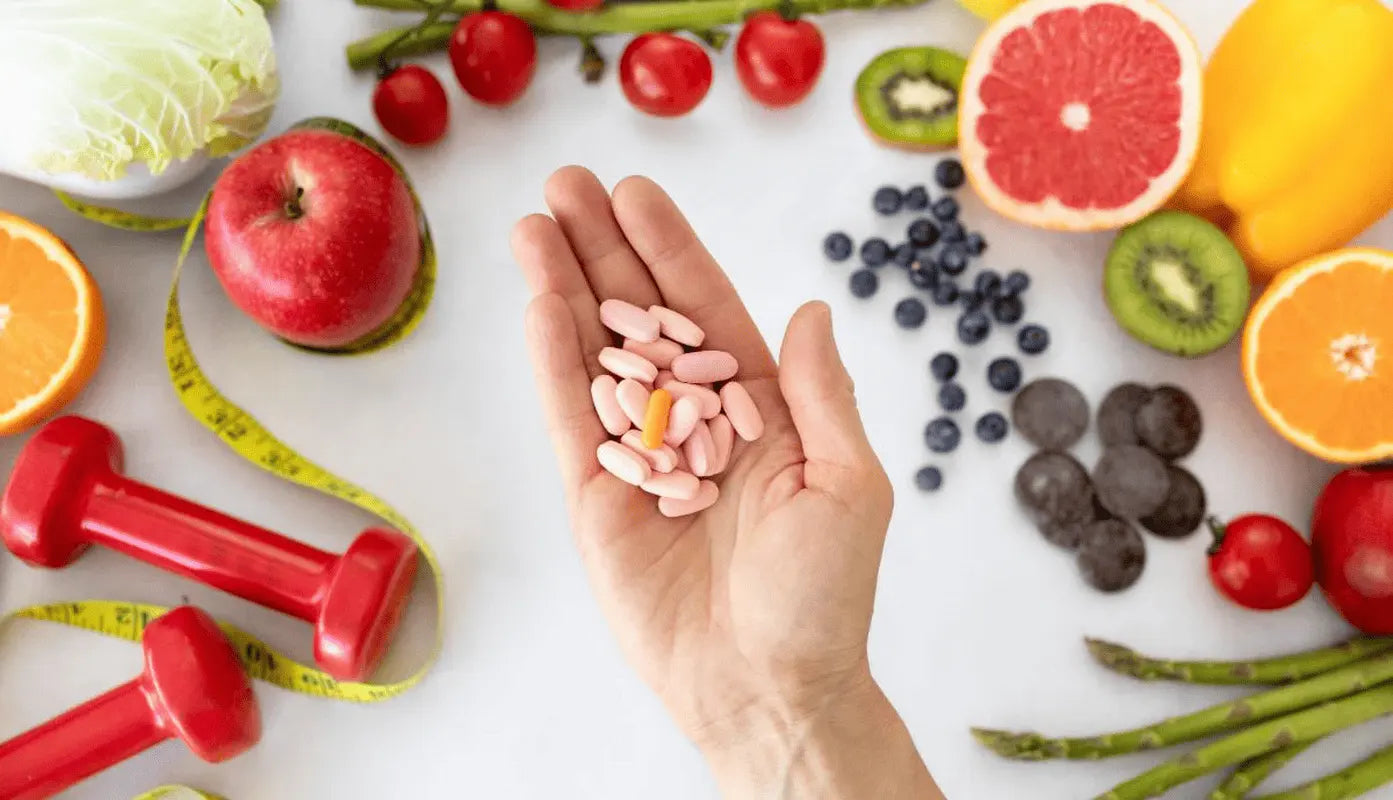
Folate, iron and vitamin D are among the nutrients worth paying attention to before pregnancy. Food is the foundation - but on the days your plate doesn't quite tick every box, a bit of extra support can help.
Pregnacare Conception provides 400µg folic acid along with other key nutrients, designed to sit alongside a healthy, varied diet as you prepare for pregnancy.
FAQs:
How soon before trying to conceive should I start eating well?
The sooner, the better but there’s no specific “start date” you need to wait for. Building healthy eating habits ahead of pregnancy gives your body time to get the nutrients it needs. It’s also a good idea to start taking a folic acid supplement once you decide to try for a baby.
I already eat leafy greens and fortified foods. Do I still need a folic acid supplement?
Yes. Even with a healthy diet that includes folate-rich foods, it can be difficult to get the recommended 400µg of folic acid from food alone. That’s why a daily folic acid supplement is recommended when you start trying to conceive and through the first 12 weeks of pregnancy.
What about nutrients other than folic acid?
Iron and vitamin D are also worth thinking about before pregnancy. Vitamin D can be difficult to get enough of from food alone, while getting enough iron through diet may be harder if you eat little or no meat. A preconception supplement can provide additional support for these nutrients alongside a balanced diet.
Do I need to cut out certain foods when trying to conceive?
Not really; there’s no long list of foods you need to avoid just because you’re trying to conceive. However, it’s a good time to start following some of the food-safety habits recommended during pregnancy, such as avoiding alcohol and being careful with undercooked or unpasteurised foods.