







When you're trying for a baby, it's easy to focus on ovulation dates and fertile windows. But male fertility deserves just as much attention.
Male fertility isn't just about age or genetics. Everyday habits, from what you eat and how much you move to how well you sleep, can play a role in male fertility. Smoking, alcohol, stress, environmental exposure and some health conditions can also affect sperm health.
If you're wondering how to support male fertility naturally, start with small, realistic changes rather than trying to change everything at once.
1. Keep an eye on your weight and waist
Being significantly overweight or underweight can affect hormones and sperm production. Metabolic health in men matters too. Belly fat, prediabetes and diabetes are worth paying attention to.
Focus on balanced meals, regular movement and sustainable changes rather than crash diets.
2. Keep yourself active
You don't need hours at the gym. Walking, cycling, swimming, running and strength training can all be part of a healthy routine.
If you spend much of your day sitting or commuting, look for simple ways to move more. Consistency matters more than pushing yourself harder every day.
3. Quit smoking and avoid tobacco
Smoking can affect sperm production and quality. If you're trying to conceive, quitting smoking and avoiding other forms of tobacco is one of the most useful changes you can make.
If quitting is difficult, speak to a healthcare professional about getting support.
4. Keep alcohol in check
Regular heavy drinking can affect hormones, sperm production and reproductive health. Cutting back is a sensible step when trying to conceive.
Recreational drugs can also affect sperm count, movement and quality, so avoiding them is important too.
5. Don't underestimate everyday heat
Sperm production works best in a cooler environment, and prolonged heat exposure may affect it.
Think beyond hot tubs and saunas.Heat exposure can come from long two-wheeler rides, hot kitchens or factory floors, tight clothing worn for long periods or using a laptop directly on your lap.
Where possible, avoid prolonged and unnecessary heat exposure.
6. Prioritise sleep
Long commutes, night shifts, IT or BPO schedules and demanding workdays can make sleep difficult to protect.
Try to get enough rest and keep your sleep routine as consistent as your schedule allows. Good sleep supports overall health, including reproductive health.
7. Manage stress, don't just push through it
Trying for a baby can bring its own pressure, along with work and financial worries.
Exercise, hobbies, time with friends or simply taking a break from fertility-focused conversations can help you switch off. If stress feels overwhelming, consider speaking to a mental-health professional.
8. Watch what you're exposed to
Depending on where you work, you may come into contact with pesticides, solvents, heavy metals or industrial chemicals. Follow recommended safety measures and minimise unnecessary exposure.
If you work out regularly, be cautious with anabolic steroids and unregulated muscle-building products. Some can interfere with hormone and sperm production.
9. Eat a balanced diet
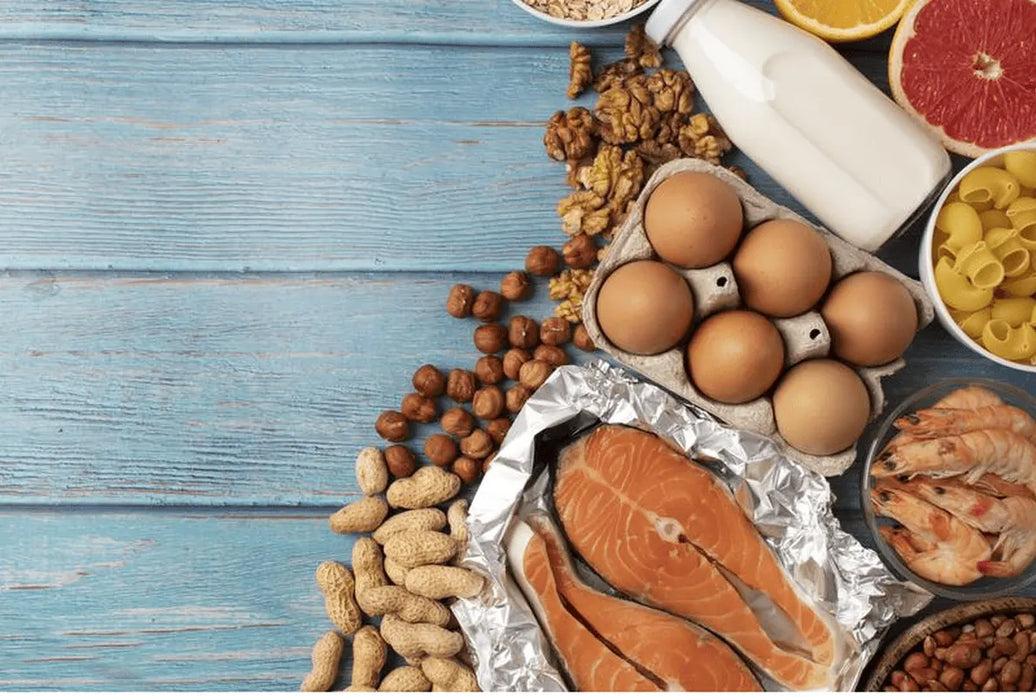
There isn't one magic food for male fertility. Focus on a varied diet with dal and pulses, vegetables, seasonal fruit, whole grains, curd, paneer, eggs, nuts and seeds such as pumpkin seeds.
Cut back on frequent fried and highly processed foods, sugary drinks and excess refined carbohydrates.
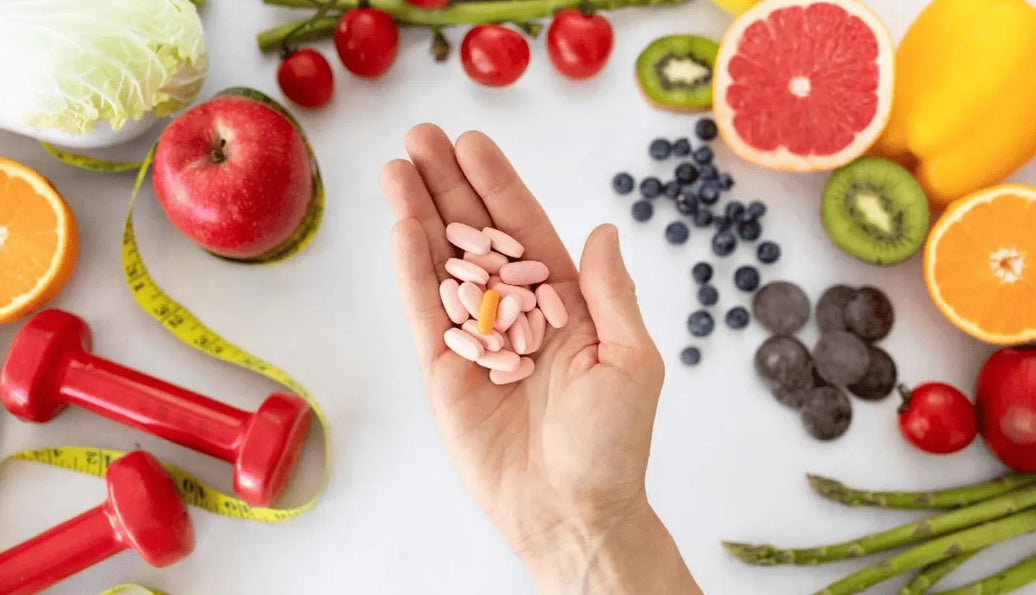
Alongside a balanced diet, additional nutritional support can help provide key micronutrients. A well-formulated supplement such as Wellman from Vitabiotics provides a range of vitamins and minerals to complement your everyday nutrition. If you're taking medication or undergoing treatment, speak to your doctor before taking a supplement.
10. Get your timing right and know when to get checked
When trying naturally, having sex every 1-2 days during the fertile window can help maximise the chance of conception. You don't need to wait for a particular time of day or “save up” sperm. Men produce sperm continuously, and there isn't a proven time of day when having sex gives you better-quality sperm.
If you've been trying for 12 months without success, both partners should consider a fertility evaluation. Seek advice sooner if the woman is 36 or over, or either partner has a known fertility or reproductive health concern.
A semen analysis is a straightforward, private way to assess sperm count, movement and other characteristics. An andrologist, urologist or fertility specialist can guide you on the next steps.
FAQs
How can I support healthy sperm?
Focus on weight, activity, diet, sleep, stress, smoking, alcohol and avoiding prolonged heat exposure.
When is the best time to have sex when trying to conceive?
Aim for every 1-2 days during the fertile window, particularly in the days leading up to ovulation and around ovulation.
Does a man need to save sperm before the fertile window?
No. Prolonged abstinence isn't usually necessary when trying naturally.
When should a man see a doctor about fertility?
After 12 months of trying, or sooner if the woman is 36 or over or either partner has a known concern.
You don't need to change everything overnight. Start with the habits you can control, and don't hesitate to get the right help when you need it.
What should I eat to support male fertility?
Focus on a varied diet with pulses, vegetables, fruit, whole grains, curd, paneer, eggs, nuts and seeds. If needed, a well-formulated supplement can complement your diet and provide additional nutritional support.