




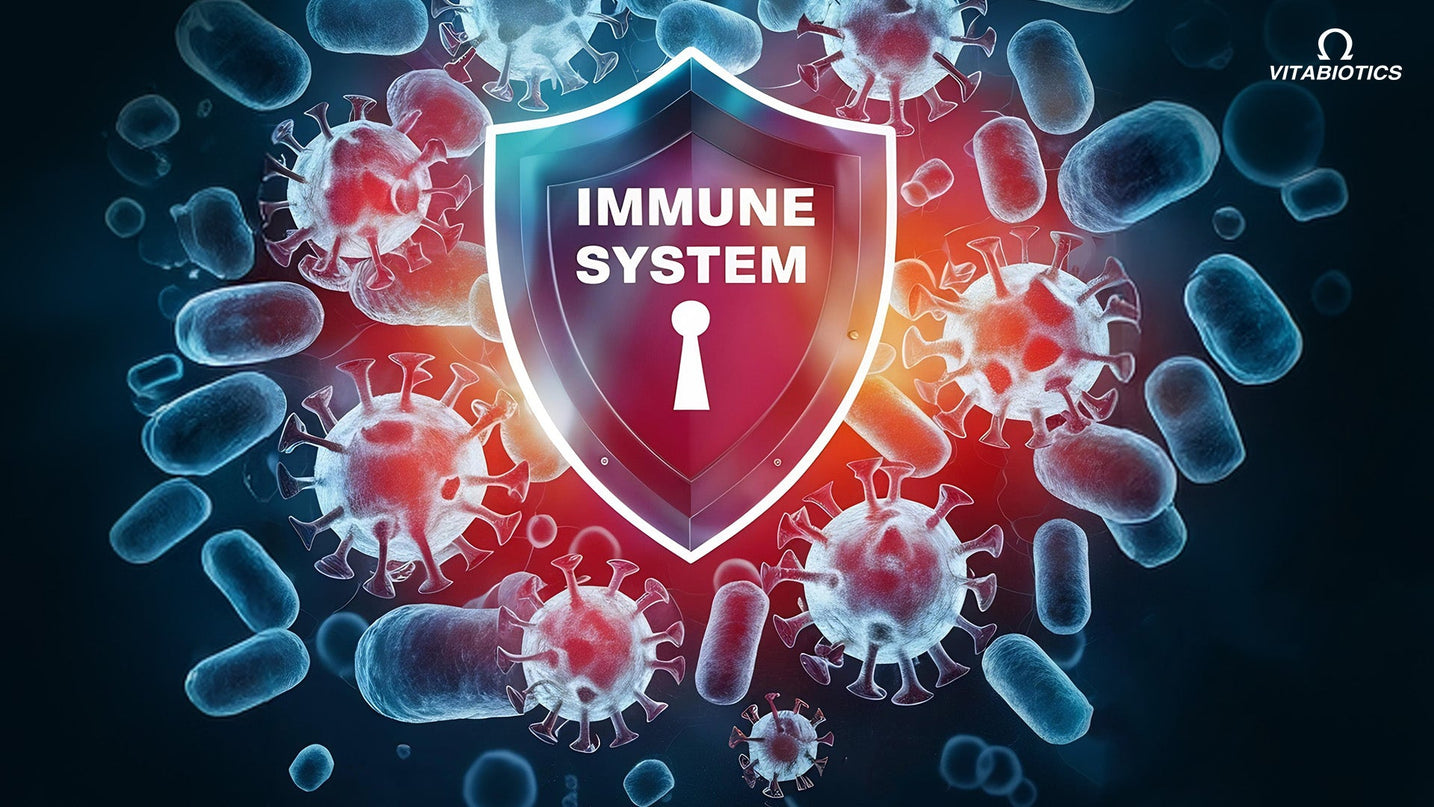
Every day, your body encounters things it needs to respond to, from bacteria and viruses to damaged cells. Your immune system helps recognise what doesn't belong and decide how the body should respond.
So, what is the immune system? It is a network of cells, tissues, organs and processes that work together to defend the body against bacteria, viruses and other foreign substances. Understanding how the immune system works starts with knowing that it isn't just one line of defence.
Immune system function involves several layers working together, each with a different role in helping protect the body.
How Does the Immune System Work?
Imagine something gets past your skin and enters the body. Your immune system doesn't rely on one response. Different parts of the defence system step in at different stages.
The first layer is made up of physical barriers such as the skin and mucus, which help keep unwanted microorganisms out.
If something gets through, the innate immune system responds quickly. Immune cells recognise foreign substances and begin an early defence response. This can involve inflammation and, during some infections, a rise in body temperature.
Then comes adaptive immunity, which is more specific. T cells help coordinate immune responses or target affected cells, while B cells produce antibodies that recognise particular substances. Some immune cells can also retain information from previous encounters, helping create immune memory.
That's the basic idea behind how the immune system works: different layers, different cells and different jobs working together.
Parts of the Immune System
The immune system isn't located in one place. It is spread throughout the body, with several key parts working together.
- White blood cells: Different types detect and respond to foreign substances and affected cells.
- Lymph nodes: These small structures filter lymph and provide places where immune cells can interact.
- Spleen: It filters the blood and plays a role in immune responses.
- Thymus: It helps T cells mature so they can perform their role in adaptive immunity.
- Bone marrow: It produces blood cells, including many involved in immune defence.
Not Every Immune Cell Has the Same Job
Macrophages can engulf and break down foreign material and damaged cells. Neutrophils are among the first immune cells to respond to certain infections. Natural killer cells can identify and destroy some infected or abnormal cells.
Meanwhile, T cells and B cells are central to adaptive immunity. Together, they help the body mount more targeted responses.
How the Body Protects Itself
- You can think of the body's immune defences in three broad layers:
- Physical barriers: Skin, mucus and other natural barriers help keep unwanted microorganisms out.
- Innate immunity: A rapid, broad response involving immune cells and other defence mechanisms.
- Adaptive immunity: A more specific response involving T cells, B cells, antibodies and immune memory.
These layers don't work alone. They communicate with and build on one another as the body responds.
More Than Just Fighting Germs
Immune system function is about more than simply 'fighting germs'. It helps the body recognise foreign substances, respond to certain infections, coordinate immune cells, remove some infected or damaged cells and develop immune memory.
Everyday habits matter too. A varied, balanced diet, regular physical activity, enough sleep and managing everyday stress can all support your overall health.
Nutrition is another part of the picture. Vitamins C and D, zinc and selenium contribute to the normal function of the immune system.
Supporting Your Immune System
There is no complicated checklist. Start with the basics: eat a varied, balanced diet, stay active, get enough sleep and make time to unwind.
If your diet doesn't always provide all the nutrients you need, a supplement can offer additional nutritional support. Immunace and Immunace Forte from Vitabiotics provide a combination of micronutrients, including vitamins C and D, zinc and selenium.
FAQs:
Can you have a weak immune system?
Immune function can be affected by certain medical conditions, medicines and nutritional deficiencies. If you are concerned about your immune health or experience frequent or unusual infections, speak to a healthcare professional.
Why do I sometimes feel unwell when I'm stressed?
Stress can affect several bodily processes, including those involved in immune function. Looking after sleep, nutrition, physical activity and stress management can support overall wellbeing.
What is the difference between innate and adaptive immunity?
Innate immunity provides a rapid, broad response. Adaptive immunity is more specific and can develop immune memory after certain encounters.
How can I support my immune function?
A varied, balanced diet, regular physical activity, sufficient sleep and a healthy lifestyle can support overall wellbeing. Vitamins C and D, zinc and selenium contribute to the normal function of the immune system. If you're considering a food supplement for additional nutritional support, speak to your doctor, particularly if you are taking medication or receiving treatment.