



“Should I be taking biotin for my hair?” If you've ever found yourself asking this after noticing more hair on your brush or in the shower, you're definitely not alone.
Often called the “hair vitamin”, biotin has become a familiar name in hair-care conversations. But what is it, really, and what does it do in the body?
Also known as vitamin B7 or vitamin H, this water-soluble B vitamin is an essential nutrient. It helps the body process nutrients from food and release energy, while also playing a role in normal metabolism. It contributes to the maintenance of hair, skin and nails too.
So, there’s more to it than its reputation as a hair-health nutrient. From understanding the dietary sources of biotin to discovering which biotin rich foods can form part of your diet, let’s take a closer look at how the body uses this nutrient and why it matters for healthy hair.
How Does the Body Use Biotin?
Think of it as one of the small but important nutrients that helps your body keep certain everyday processes going.
It helps enzymes involved in the metabolism of carbohydrates, fats and proteins. In simple terms, it helps your body process nutrients from food and use them as part of its everyday metabolic processes.
This is the role of biotin in normal metabolism and one reason getting enough of this vitamin matters.
Why Is Biotin Linked With Hair Health?
Now, back to the reason you probably came across it in the first place: your hair.
Biotin contributes to the maintenance of hair, which is why it is commonly found in hair-focused nutritional supplements. It is also involved in processes related to the production of keratin, a protein that forms a major part of your hair.
But there’s an important distinction to make. More biotin doesn’t automatically mean more hair. Hair health can be influenced by many factors, including genetics, hormonal changes, stress, illness and overall nutrition.
So, it can be part of the nutritional picture, but it isn't a quick fix for every type of hair concern.
Can Biotin Help With Hair Fall?
This is probably one of the first questions that comes to mind.
A deficiency can be associated with hair loss, along with symptoms such as skin changes and brittle nails. However, hair fall has many possible causes, and a lack of this nutrient isn't necessarily behind it.
If you're experiencing persistent or sudden hair loss, it’s worth looking at the bigger picture rather than simply adding one nutrient to your routine.
A varied, balanced diet that provides a range of essential nutrients is a good place to start.
Where Can You Get Biotin?
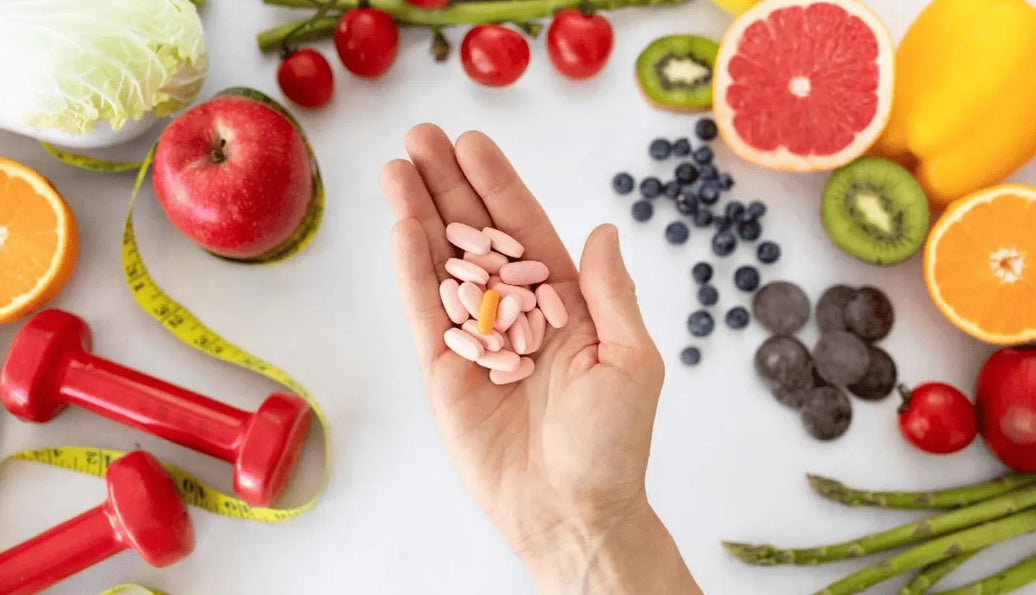
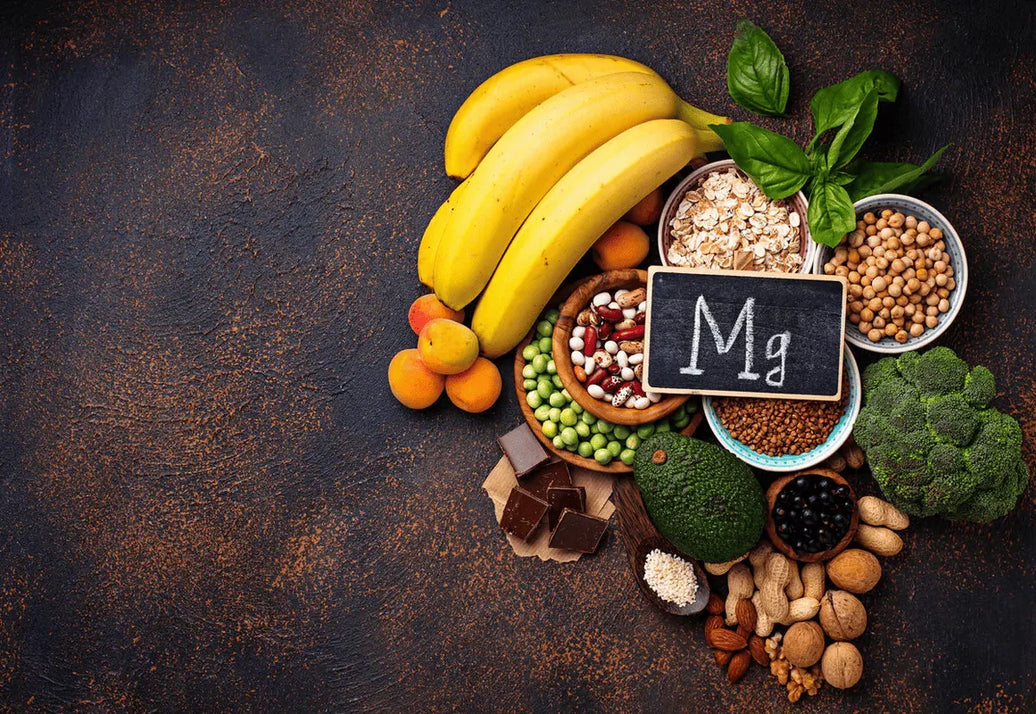
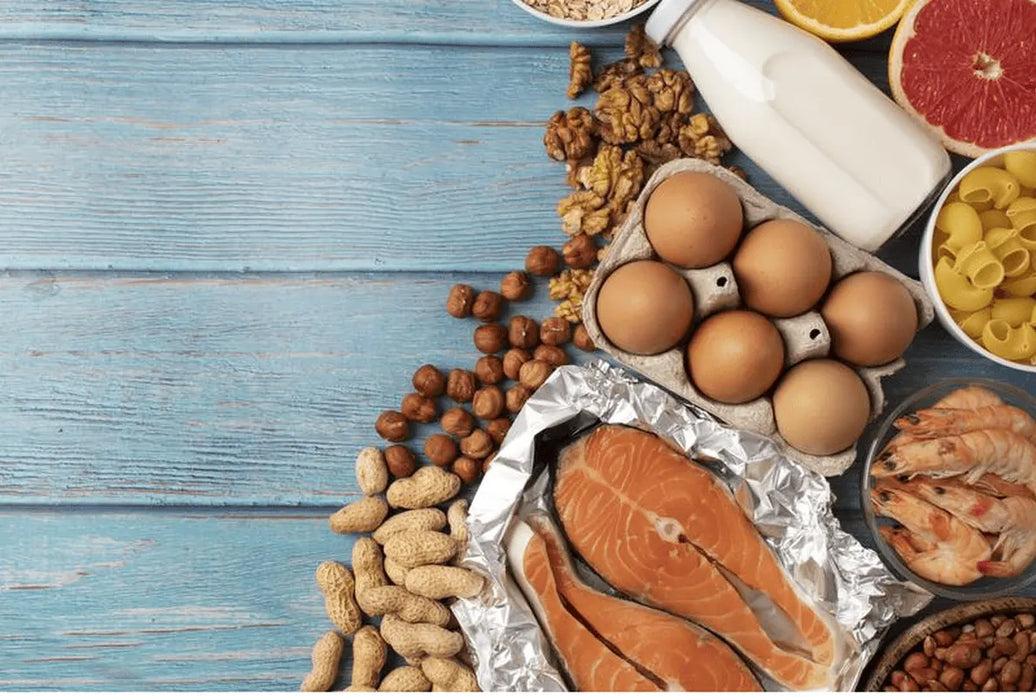
You don't have to look far for biotin rich foods. Eggs, nuts, seeds, legumes and some vegetables can all contribute to your dietary intake.
The key is variety. Rather than relying on one “superfood”, including a mix of nutrient-rich foods can help provide your body with a broader range of essential nutrients.
For those who may need additional nutritional support, supplements can be another option. And when it comes to hair, looking beyond a single nutrient can make sense. Hairfolic, available for both men and women, combines biotin with other selected nutrients as part of a broader approach to hair nutrition.
FAQs:
What is biotin and why does your body need it?
Biotin, also known as vitamin B7 or vitamin H, is a water-soluble B vitamin that helps the body process nutrients and plays a role in normal metabolism. It also contributes to the maintenance of hair, skin and nails.
How does biotin support hair health?
Biotin contributes to the maintenance of hair and is involved in several important processes in the body. While it is often associated with hair health, healthy hair also depends on factors such as genetics, hormones, overall nutrition and lifestyle.
Can a biotin deficiency cause hair fall?
A deficiency can be associated with hair loss, but hair fall can have many different causes. If you're experiencing persistent or sudden hair loss, it's worth speaking to a healthcare professional to understand what may be behind it.
Which foods are good sources of biotin?
For many people, a varied and balanced diet can provide biotin through foods such as eggs, nuts, seeds and legumes. Individual nutritional needs can vary, so additional nutritional support may be appropriate in some circumstances.