




Summer brings sunny days and outdoor plans, but heat, humidity and UV exposure can leave your skin feeling dry and your hair looking dull. A balanced diet that includes biotin and vitamin E for skin health, along with simple care habits, can help you look after both.
Understanding how these nutrients for healthy skin and hair fit into your daily routine is a good place to start.
Why Does Biotin Matter for Skin and Hair
Biotin, also known as vitamin B7, helps your body convert carbohydrates, fats and proteins into energy. It also plays a role in maintaining healthy skin and hair.
The role of biotin in normal skin is linked to its importance in overall nutrition. Biotin deficiency is uncommon but can cause skin rashes and hair thinning. Although biotin is often associated with hair growth, there is limited evidence that taking extra biotin improves hair or skin if you already get enough.
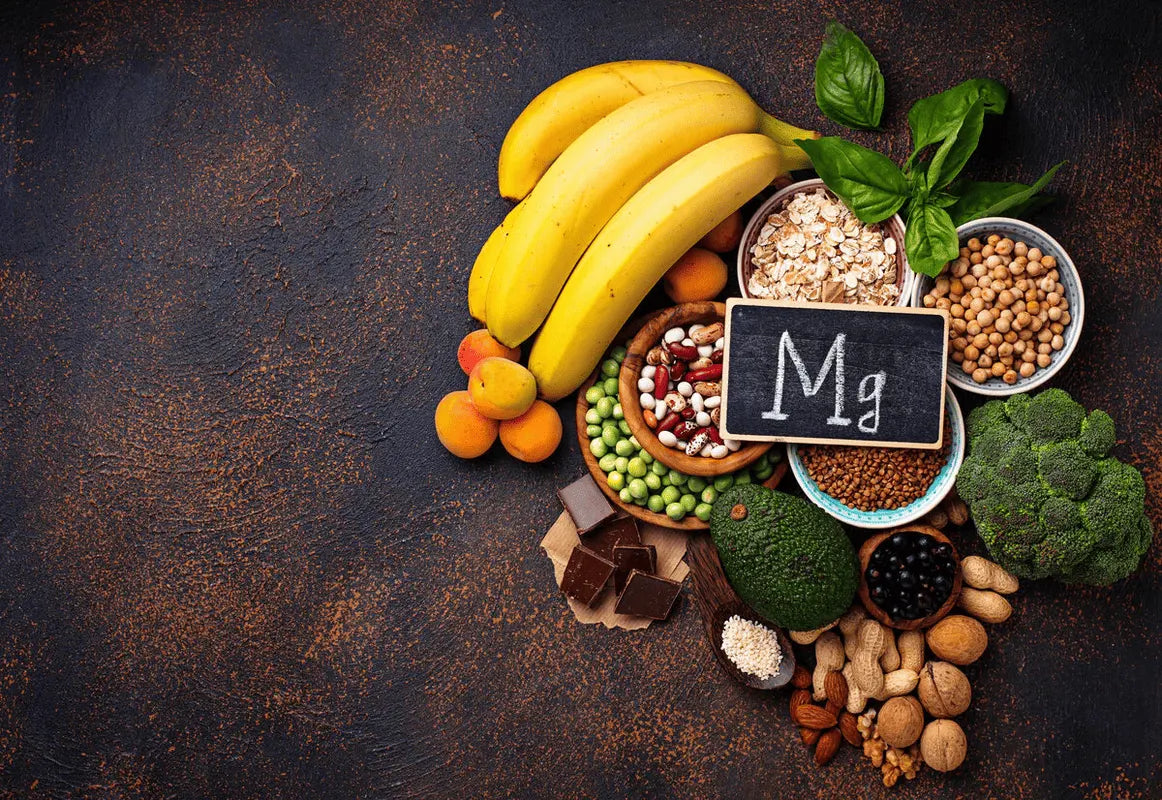
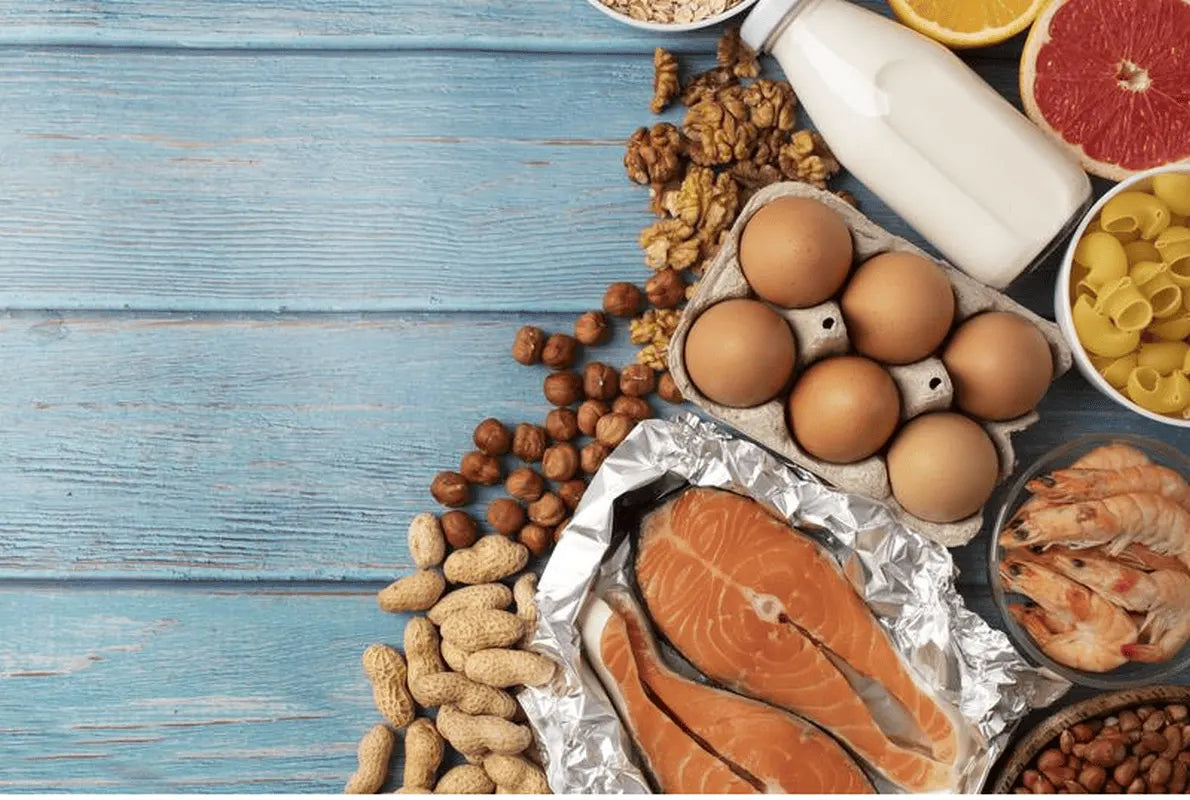
Eggs, nuts, seeds, legumes and whole grains are useful dietary sources of biotin. Including a variety of these foods in your meals can help you meet your nutritional needs.
Vitamin E and Skin Health: Why Does It Matter
Vitamin E is a fat-soluble vitamin with antioxidant properties. It helps protect cells from oxidative stress caused by free radicals, which can form through everyday body processes and environmental exposure.
When it comes to vitamin E and skin health, its antioxidant role is particularly relevant. However, vitamin E should not be considered a shield against UV rays or a replacement for sunscreen.
Almonds, sunflower seeds, vegetable oils and green leafy vegetables are useful sources of vitamin E, while eggs, legumes and whole grains can contribute biotin. Including these foods as part of a varied diet can help you get a range of nutrients. These are useful biotin and vitamin E food sources to consider when planning balanced meals.
Building a Diet for Healthy Skin and Hair
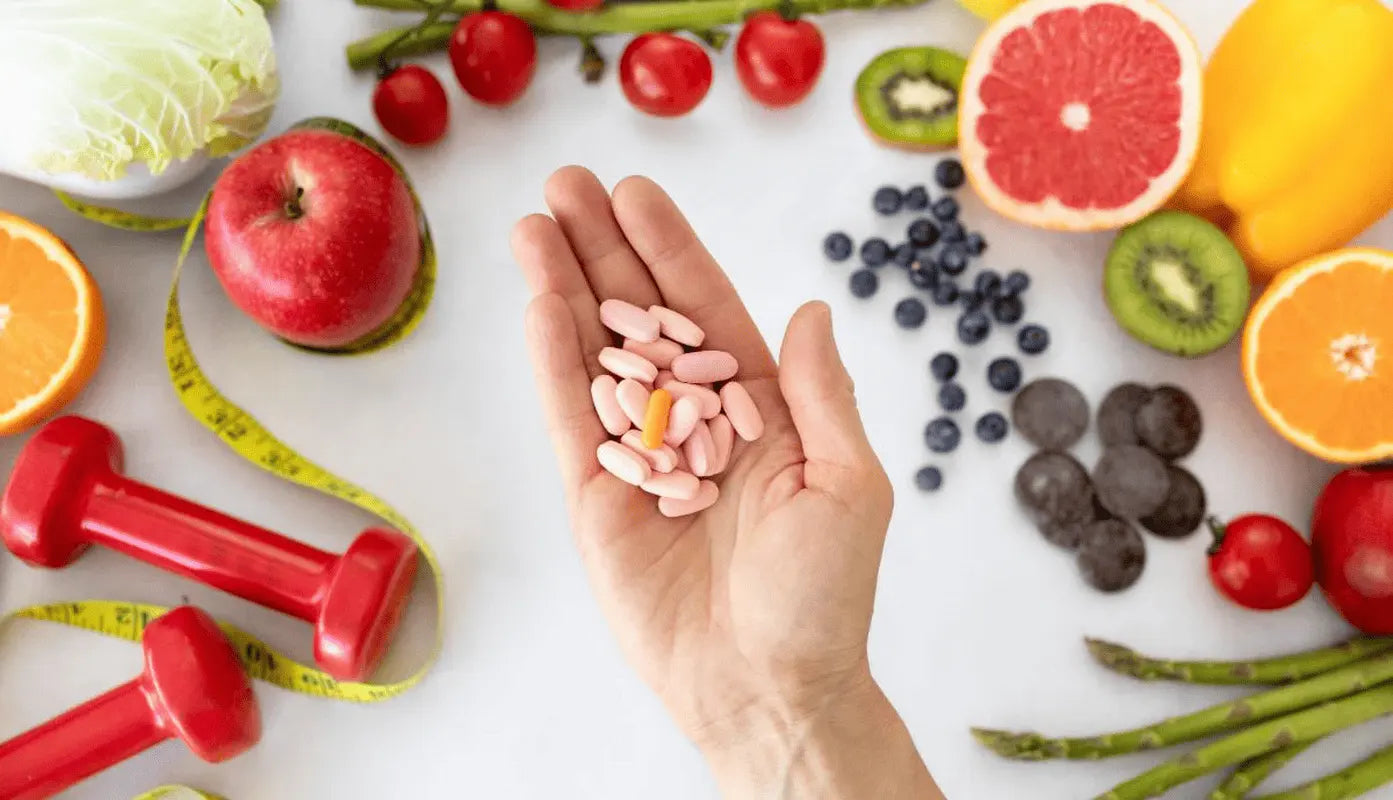
Good nutrition doesn't have to mean following a complicated meal plan. Include eggs, pulses, nuts and seeds for biotin, along with vitamin E sources such as almonds, sunflower seeds and vegetable oils. Add colourful fruits, vegetables, whole grains and protein-rich foods to round out your meals.
This approach to nutrition for healthy skin and hair works best alongside adequate hydration and consistent skincare. During summer, use broad-spectrum sunscreen, reapply as directed and moisturise according to your skin type.
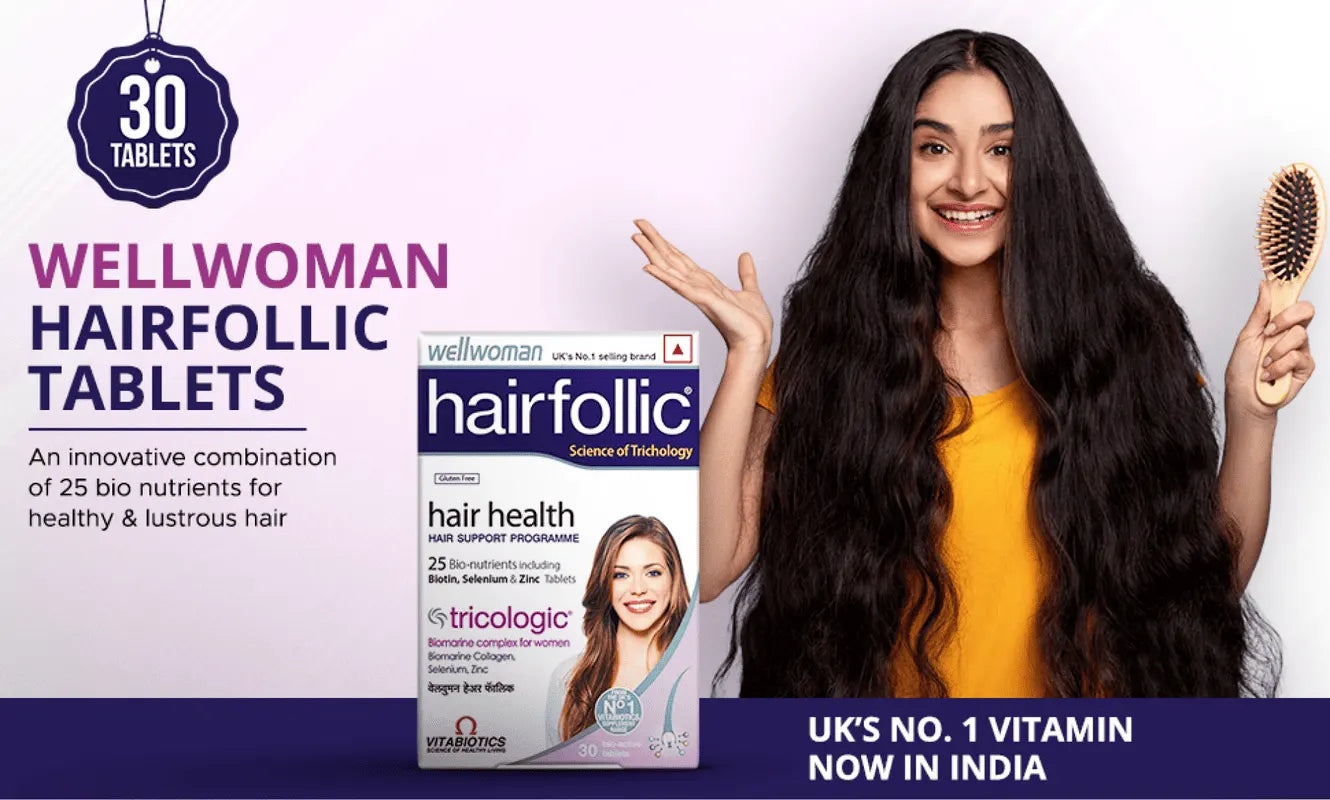
If your diet doesn't always provide the nutrients you need, a multivitamin may offer additional nutritional support when appropriate. Vitabiotics Perfectil contains biotin, vitamin E, zinc, selenium and other micronutrients formulated to support skin, hair and nails. It can complement a balanced diet, but it isn't a substitute for nutritious meals or sun protection.
Everyday Habits That Make a Difference
Nutrition is only one part of looking after your skin and hair during summer. Try to get enough sleep, avoid excessive heat styling and choose skincare products suited to your skin type. Protect your hair from prolonged sun exposure, too. Small, consistent habits can help you maintain a routine without adding unnecessary steps.
FAQs:
1. Can biotin and vitamin E improve skin and hair health?
Both nutrients support important body functions. Biotin contributes to the maintenance of normal skin and hair, while vitamin E contributes to the protection of cells from oxidative stress. Taking supplements is not guaranteed to improve the appearance of your skin or hair, particularly if you already get enough of these nutrients.
2. What are the best dietary sources of biotin and vitamin E?
Eggs, legumes, nuts, seeds and whole grains can provide biotin. Almonds, sunflower seeds, vegetable oils and green leafy vegetables are useful sources of vitamin E. Including a variety of these foods can help you maintain a balanced diet.
3. Can vitamin E protect skin from sun damage?
Vitamin E has antioxidant properties that help protect cells from oxidative stress. However, it does not replace sunscreen, protective clothing or shade. Consistent sun protection remains essential during summer.
4. Is it better to get biotin and vitamin E from food or other sources?
Getting nutrients through a varied, balanced diet is a good starting point. Foods such as eggs, legumes, nuts, seeds, vegetable oils and green leafy vegetables can help provide biotin and vitamin E as part of your daily nutrition. If you have concerns about meeting your nutritional needs, a healthcare professional can guide you.