








We all have days when we feel more tired than usual. But when another cup of coffee or tea becomes part of the daily routine, concentration feels harder, or mornings start without feeling refreshed, you may find yourself wondering, why am I tired all the time?
From late nights and busy schedules to stress, diet and lack of movement, everyday habits can affect energy levels. Sometimes, ongoing tiredness may also be linked to a nutritional deficiency, medication or an underlying health condition.
Looking at sleep, diet and daily routines can help identify some of the factors that may be contributing to tiredness.
Common Causes of Tiredness
The causes of feeling tired throughout the day aren't always obvious. Sleep, diet, activity levels, stress and general health can all play a role.
- Some common causes of tiredness include:
- Not getting enough or good-quality sleep
- Spending long periods being inactive
- Skipping meals or having an unbalanced diet
- Ongoing stress
- Certain medicines
- Nutritional deficiencies, including iron deficiency
Some health conditions, such as thyroid problems or blood sugar disorders
Keep Moving
When energy levels are low, exercise may be the last thing on the mind. But regular physical activity can help, and it doesn't have to mean an intense workout.
A brisk walk, cycling, stretching or another enjoyable activity can bring more movement into the day. Those who spend hours at a desk can also take regular breaks to stand, stretch or walk around.
The key is finding an activity that fits comfortably into everyday life.
Take Another Look at the Diet
A varied diet provides the body with energy and essential nutrients. Meals can include fruit and vegetables, whole grains, protein-rich foods, nuts and seeds.
Iron-rich foods such as beans, lentils, leafy green vegetables, meat and fortified foods can also contribute to daily iron intake.
Iron contributes to the reduction of tiredness and fatigue. Vitamin B12, vitamin B6, vitamin C and magnesium also have authorised roles in the reduction of tiredness and fatigue.
Iron deficiency anemia can cause tiredness and a lack of energy, but tiredness alone doesn't mean there is an iron deficiency. Appropriate advice should be sought before taking an iron supplement.
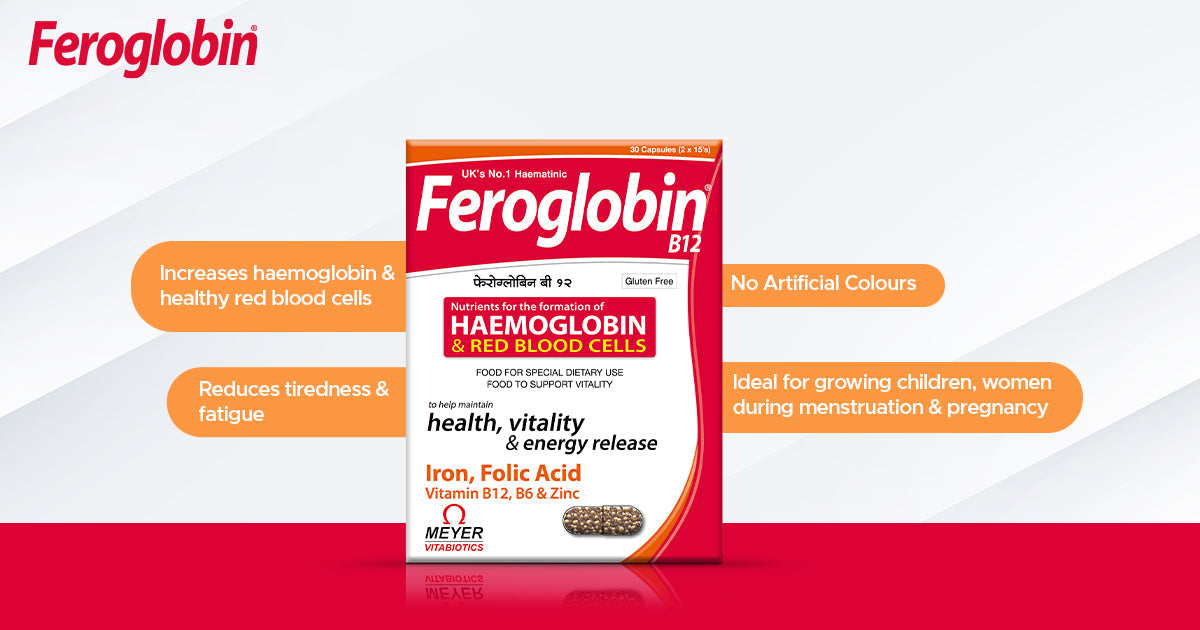
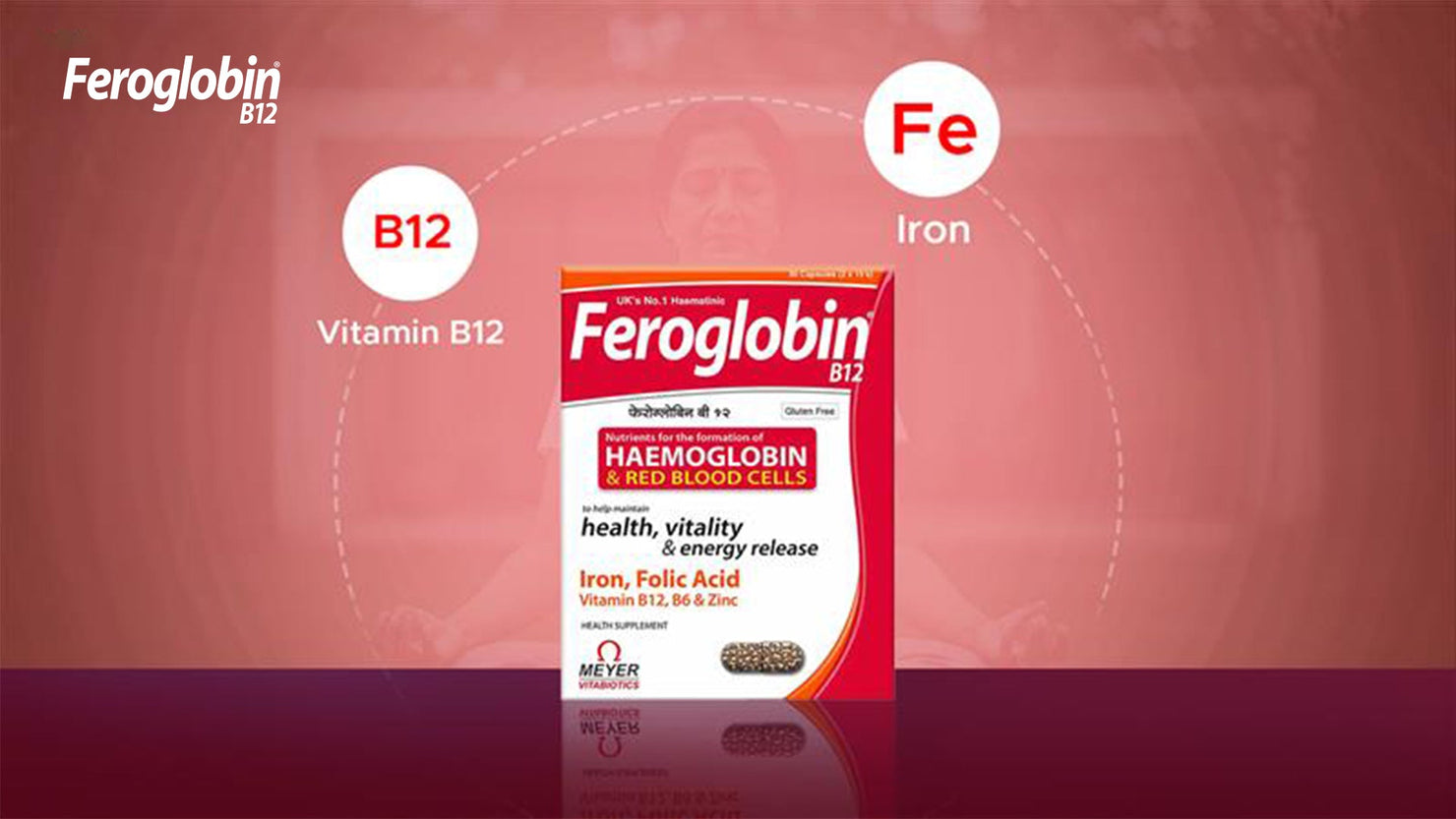
For those looking to support their daily iron intake, Feroglobin provides iron alongside other nutrients in its formulation.
Why Do I Feel Tired After Sleeping?
Still feeling tired after a full night's sleep? The number of hours spent in bed isn't the only factor. Sleep quality can also affect how rested someone feels the next morning.
Most adults need at least seven hours of sleep each night, although individual needs vary. A consistent bedtime and wake-up time, along with time to wind down before bed, can help create a better sleep routine.
Caffeine, alcohol and screen use close to bedtime may also affect sleep quality. Regularly waking up tired can sometimes be associated with sleep problems such as loud snoring or sleep apnoea.
Make Time to Unwind
A busy mind can be just as draining as a busy day.
Work pressures, personal responsibilities and ongoing stress can leave people feeling mentally and physically worn out. Making time to switch off can therefore be an important part of supporting everyday energy and wellbeing.
A short walk, listening to music, catching up with friends or simply taking a few quiet minutes can create some much-needed space away from a busy routine.
When Constant Tiredness Needs Attention
Feeling worn out after a busy week is one thing. But when constant tiredness needs attention, it shouldn't simply be put down to a busy lifestyle.
If tiredness continues for several weeks, has no obvious explanation or begins affecting everyday activities, it's worth speaking to a doctor. Medical advice is particularly important if it occurs alongside unexplained weight loss, shortness of breath, heart palpitations or significant changes in mood.
Small Changes Can Help
There isn't always one simple answer to how to manage everyday tiredness. Sleep, nutrition, movement and stress management can all have a place in a healthier daily routine.
Small, realistic changes are a good first step. Tiredness can be a sign that something needs attention, so if those changes don't help, it's worth getting it checked.
FAQs:
Why am I tired all the time, even after sleeping?
Poor-quality sleep, stress, lifestyle habits, nutritional deficiencies, certain medicines and some health conditions can all contribute to tiredness. Sleep problems such as loud snoring or sleep apnoea may also affect how rested someone feels.
What are some common reasons for constant tiredness?
Some common reasons for constant tiredness include insufficient or poor-quality sleep, prolonged inactivity, an unbalanced diet and ongoing stress. Nutritional deficiencies and certain health conditions can also play a role.
Can stress make you feel tired?
Yes. Ongoing stress can leave people feeling mentally and physically drained. Taking regular breaks, making time to relax and maintaining healthy daily habits can support overall wellbeing.
Can being dehydrated make you feel tired?
Not drinking enough fluids can contribute to feelings of tiredness. Staying hydrated throughout the day is therefore an important part of maintaining everyday wellbeing.
Can iron deficiency cause tiredness?
Yes. Iron deficiency anemia can cause tiredness and a lack of energy. Iron contributes to the reduction of tiredness and fatigue. Anyone concerned about iron deficiency should seek appropriate advice before taking supplements.
What lifestyle factors cause tiredness?
Lack of sleep, prolonged inactivity, irregular eating habits and ongoing stress can contribute to tiredness. Caffeine, alcohol and screen use close to bedtime may also affect sleep quality.
When should constant tiredness be checked?
If tiredness lasts for several weeks, has no obvious explanation or interferes with everyday life, it should be discussed with a doctor.